Hillcrest, CA
A dense mesa-top neighborhood of older apartments and bungalows, not a crawl-space or flood-zone concern.
Mold removal in Hillcrest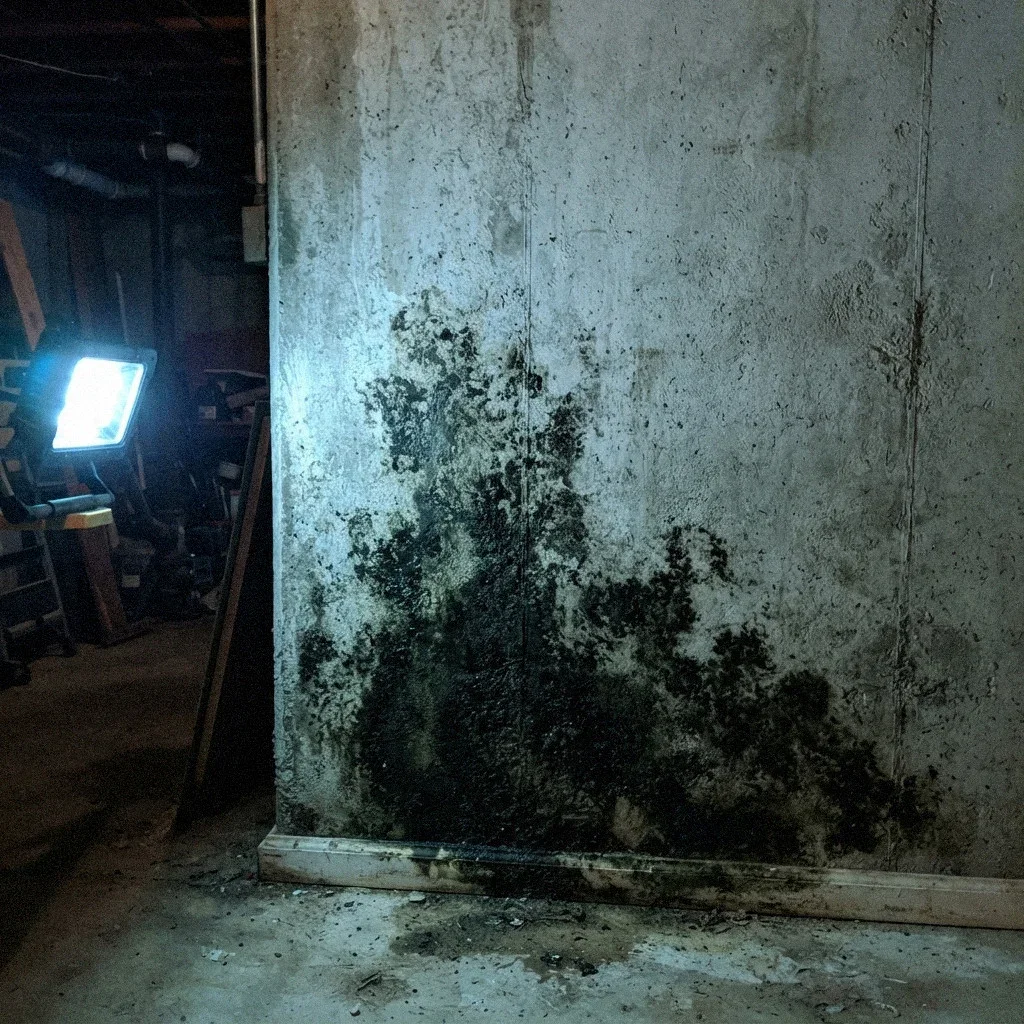
A 1950s tract house on the mesas in Clairemont or Serra Mesa hides moisture differently than a 1920s bungalow in North Park. Older crawl spaces trap damp air underneath, while newer slab construction near Mira Mesa and Scripps Ranch tends to show it around windows and closets instead.
San Diego homes grow mold without a drop of rain. Cool marine fog rolls in over neighborhoods like Clairemont and Pacific Beach, meets a colder interior wall, and beads into water an owner never sees fall. That condensation, not weather, is what feeds growth behind stucco and drywall across the county.
A dense mesa-top neighborhood of older apartments and bungalows, not a crawl-space or flood-zone concern.
Mold removal in HillcrestCraftsman bungalows with crawl spaces make North Park an above-average call for musty, damp-floor odors.
Mold removal in North ParkCraftsman bungalows with crawl spaces on canyon-edge lots near Balboa Park.
Mold removal in South ParkVictorian and Craftsman homes over crawl spaces, not tract slabs, drive most calls here.
Mold removal in Golden Hill1920s bungalows on a mesa above Mission Valley, holding marine humidity in old walls.
Mold removal in Normal HeightsAn inland mesa neighborhood, not a flood zone, where old wood windows trap marine humidity indoors.
Mold removal in University HeightsAn inland mesa neighborhood, drier air than the coast, but AC condensate lines still cause indoor mold.
Mold removal in City HeightsDense 1950s-60s slab tract housing on a mesa, with aging AC lines as the main mold driver.
Mold removal in ClairemontColor tells you nothing about what is growing, and no test result comes back with a number for safe exposure, because none exists. What matters is finding where the water or humid air is getting in, whether that is a leaking roof valve or a condensate line dripping behind drywall near Balboa Park.
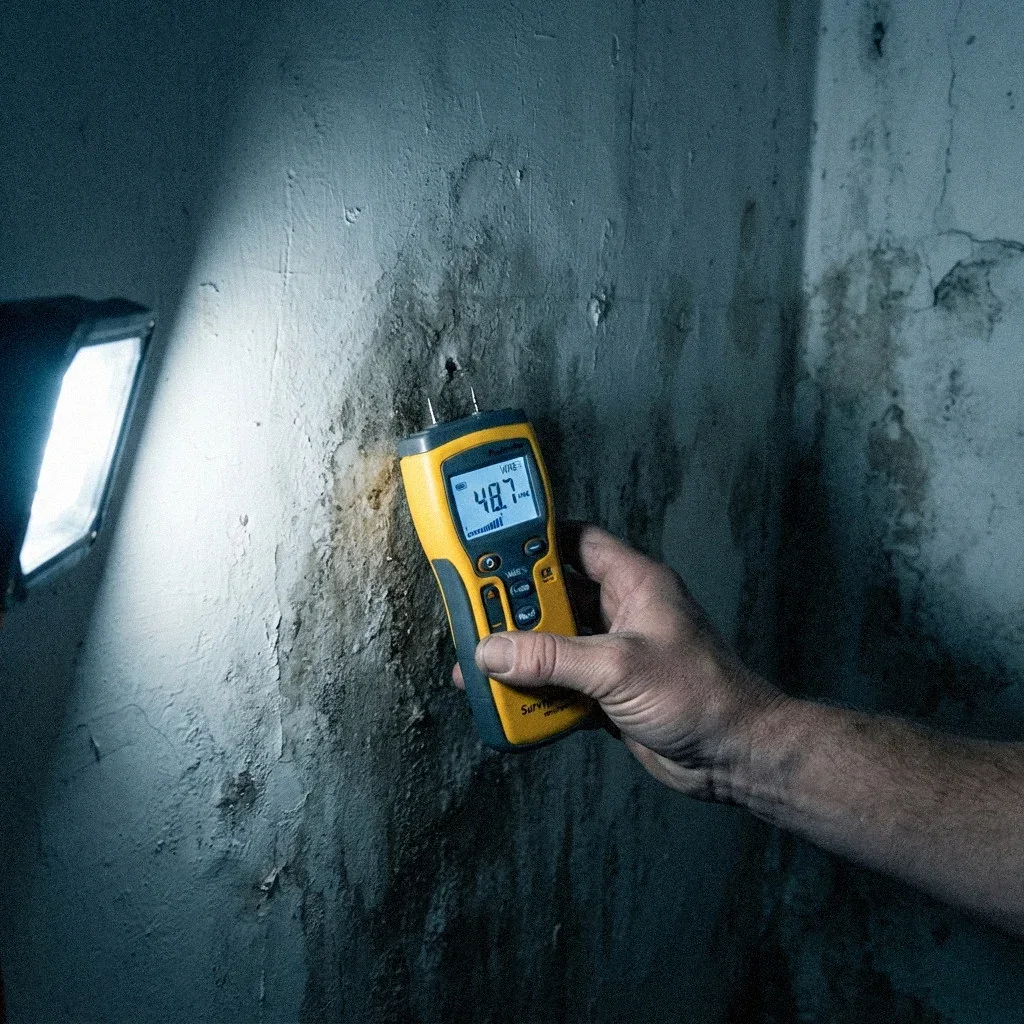
A documented inspection with lab testing, when you actually need proof.
Learn about Mold Inspection & Testing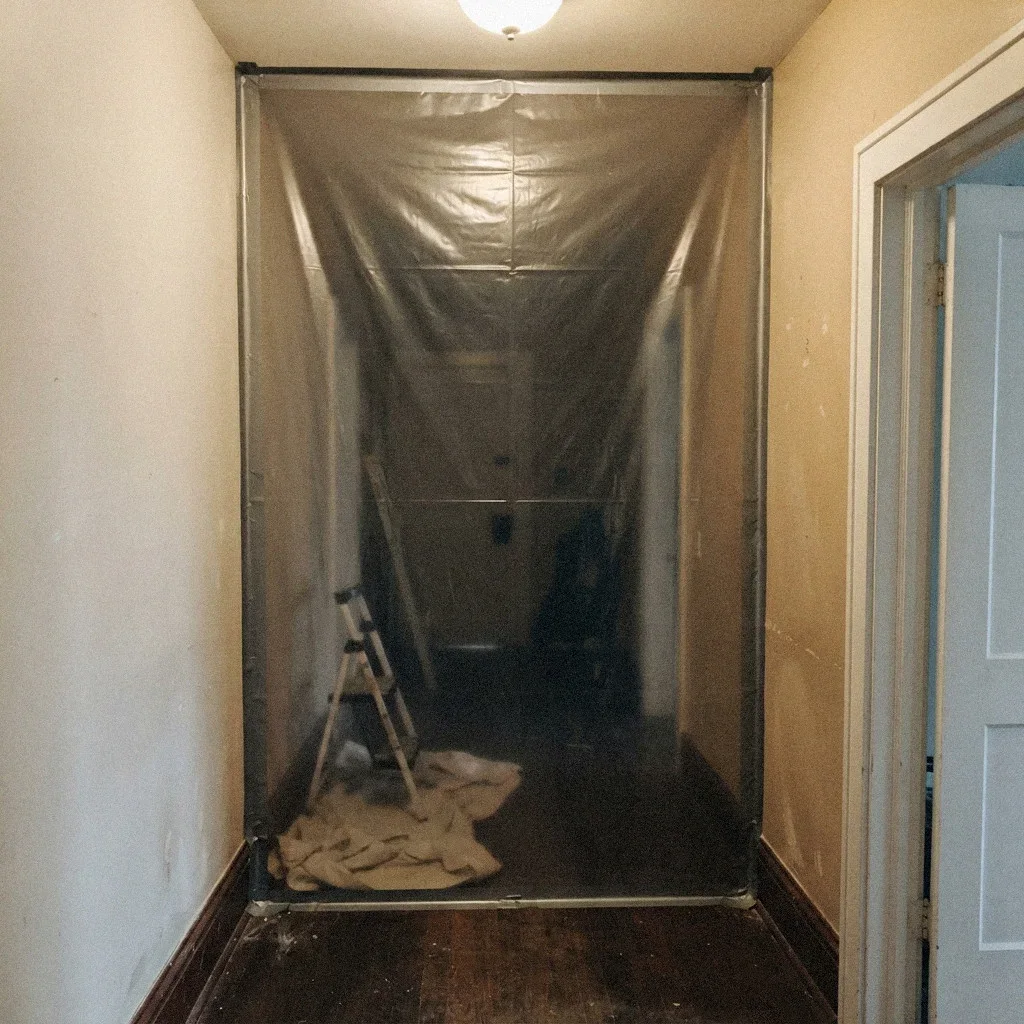
Containment, removal, and HEPA cleaning done in the right order.
Learn about Mold Remediation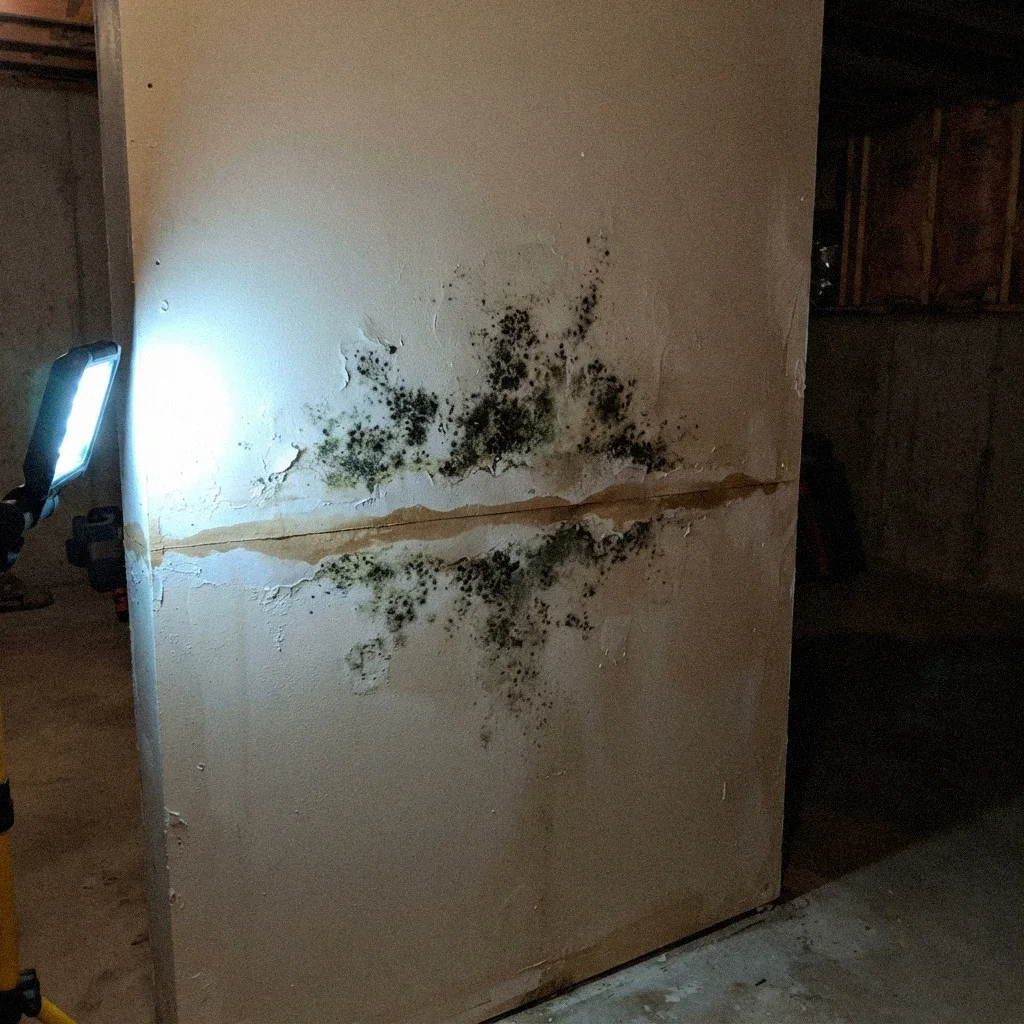
Dark mold on drywall or grout, removed by material, not by color
Learn about Black Mold Removal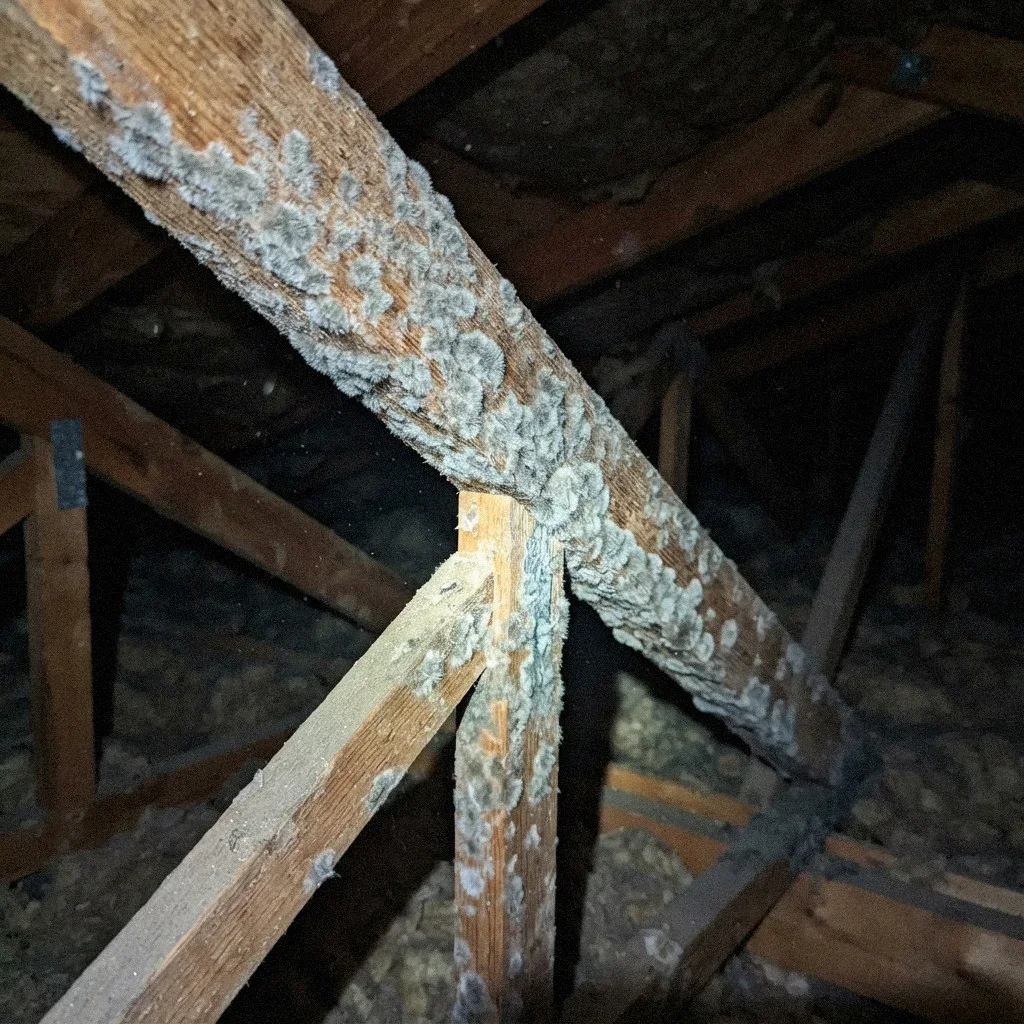
Attic mold from trapped moisture, not always a roof leak.
Learn about Attic Mold Removal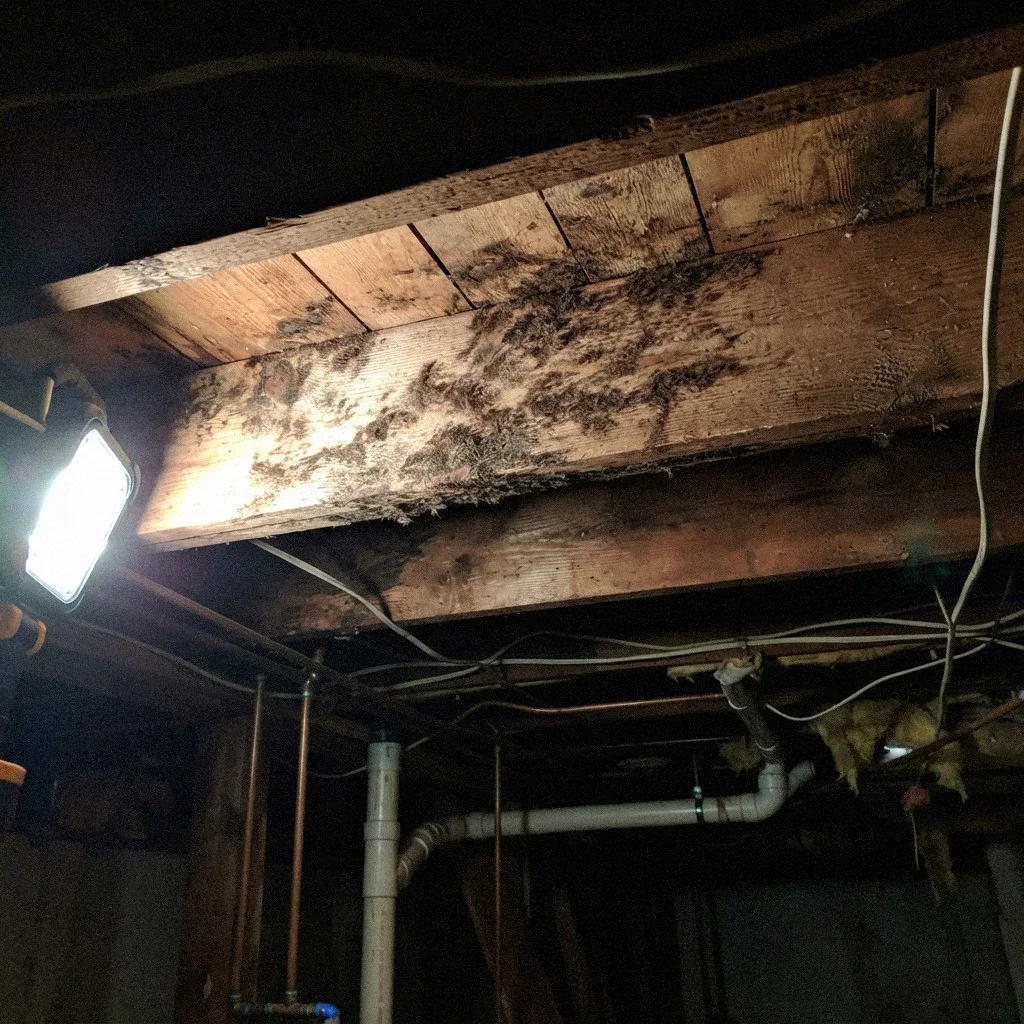
Mold on joists, subfloor and the vapor barrier below your floor.
Learn about Crawl Space Mold Removal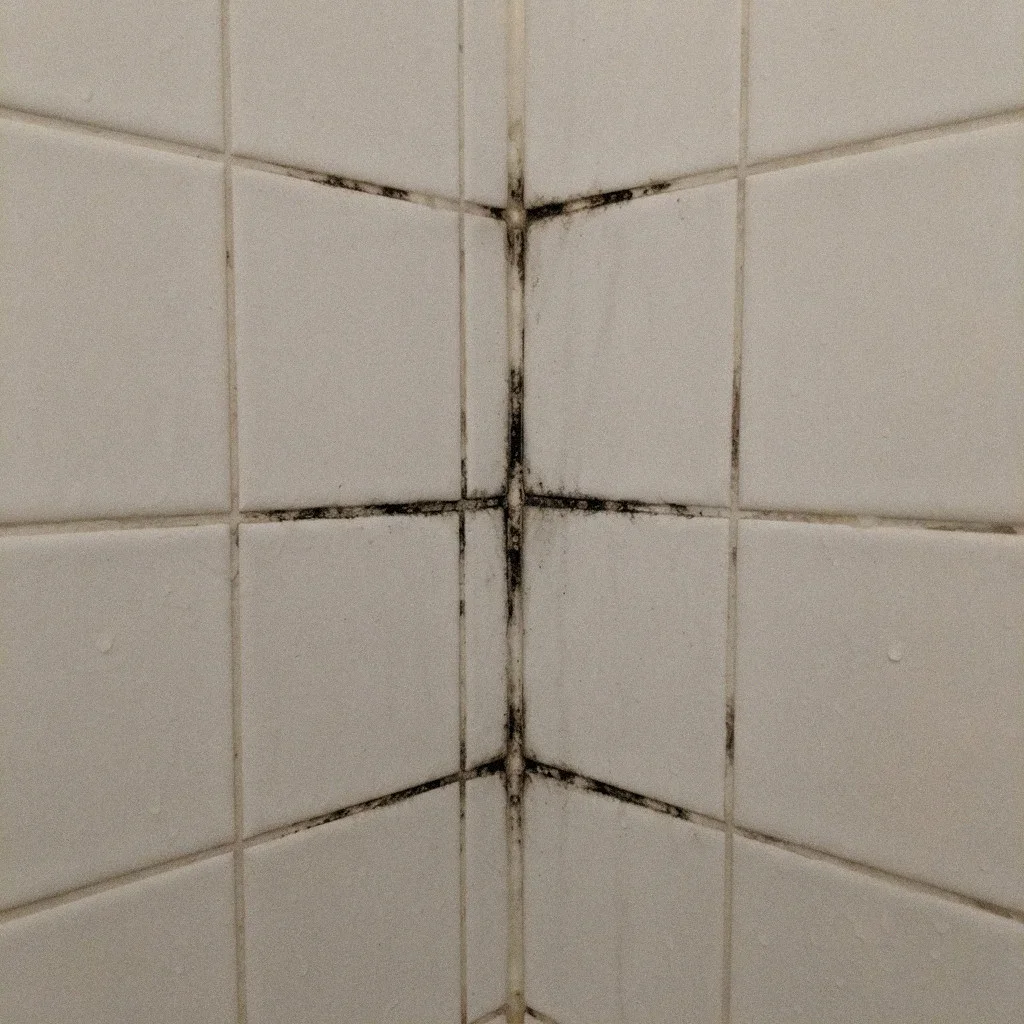
Grout, silicone, ceiling paint, the wall behind the shower.
Learn about Bathroom & Shower Mold Removal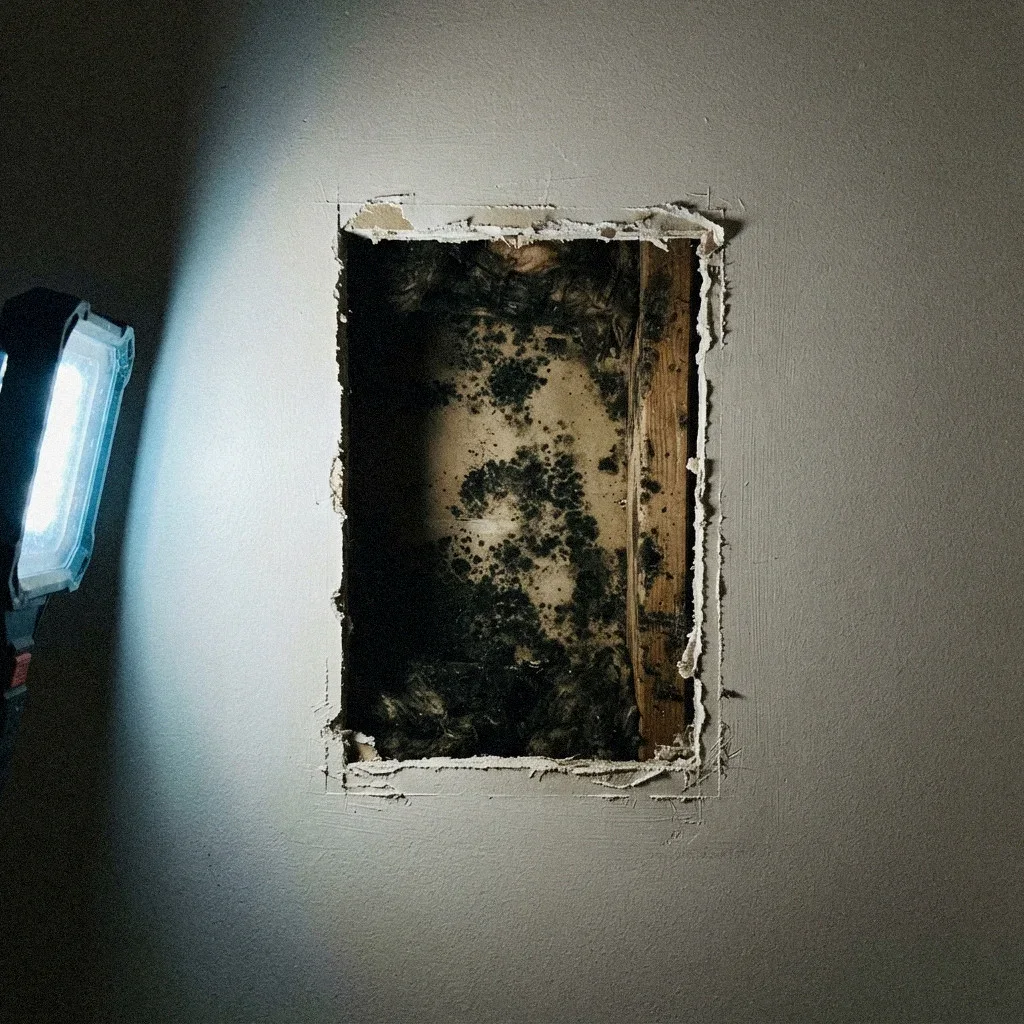
Mold cut from behind drywall and wall cavities, not painted over.
Learn about Drywall & Wall Cavity Mold Removal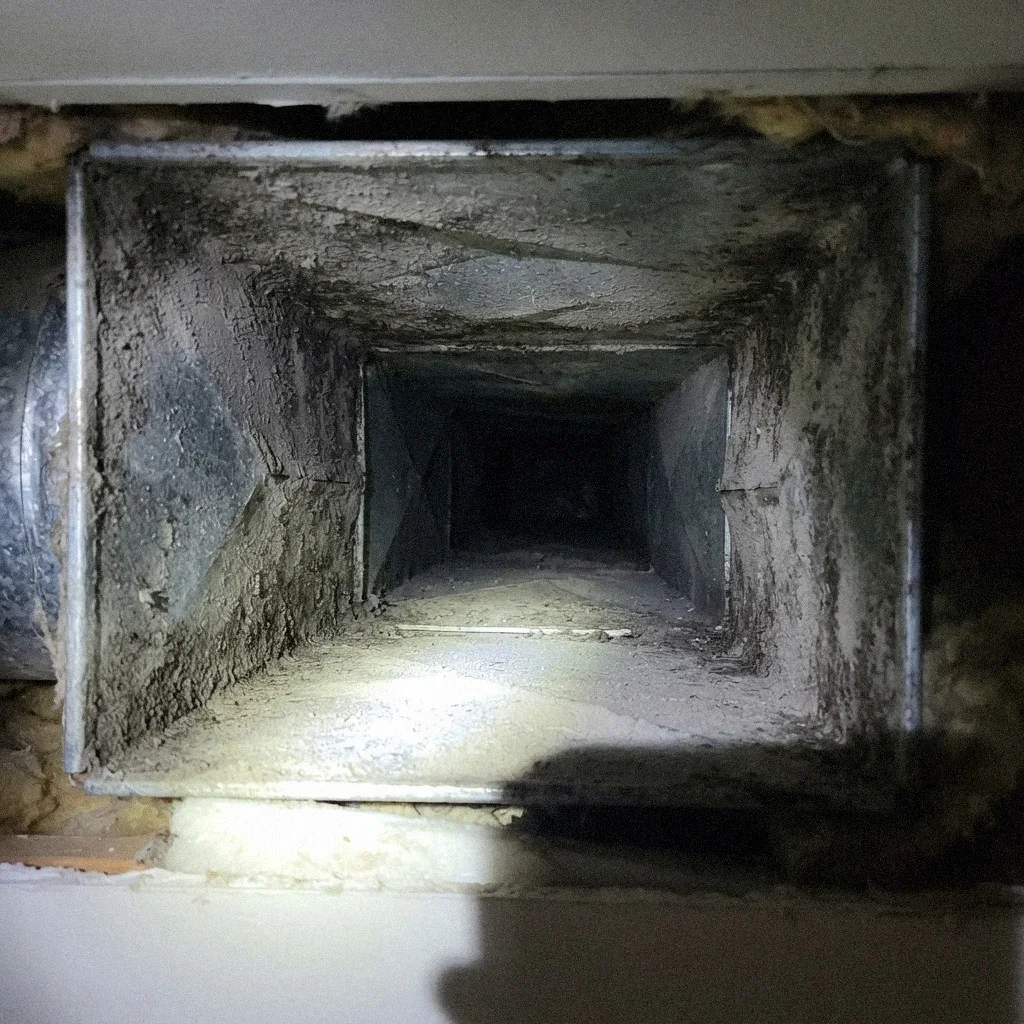
Mold in the air handler spreads through every room it feeds.
Learn about HVAC & Air Duct Mold Removal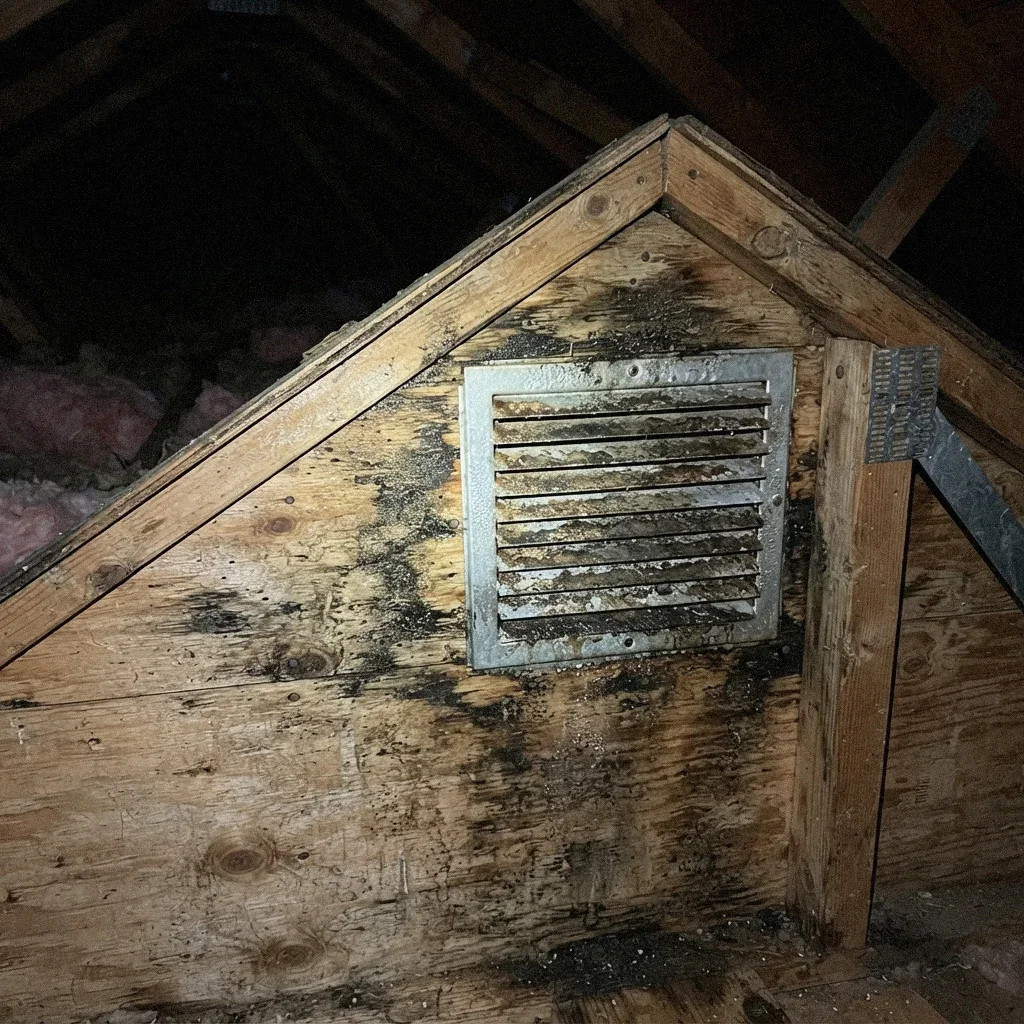
The right first move is not a spray. The licensed pros we connect you with check where an AC line drips near Mission Valley, or where a roof seam near El Cajon Boulevard lets fog-driven damp inside, before anyone touches the growth itself. Fix the water source and the mold stops coming back.
San Diego sits in the heart of San Diego County, and its mix of older and newer properties each bring their own mold removal headaches. Whether it's Mold Inspection & Testing, Mold Remediation, Black Mold Removal, the goal is the same: fix the real cause, not just what you can see today.
Every property is different, so we start with a real inspection, identify the entry points and conditions behind the issue, and build the treatment around them. It's the same care whether the job is Attic Mold Removal and Crawl Space Mold Removal or ongoing protection.
San Diego CA Mold Removal Experts covers San Diego and nearby towns throughout San Diego County, from Hillcrest and North Park to South Park and Golden Hill. Being local means faster arrival and advice grounded in this area, not a distant call center. We work around familiar spots like Balboa Park, University Avenue, Fifth Avenue, Robinson Avenue.
Homes and businesses right across San Diego County. Call to check your street is covered and to have a licensed local pro take a look.
Calls here cluster around a few patterns tied to how San Diego is built. Bathroom ceilings with no working extractor fan, common in older stock near North Park and Normal Heights. Flat-roof ponding leaks showing up as ceiling stains on mid-century homes around Clairemont and Serra Mesa. Blocked AC condensate lines backing water into walls near Mission Valley. None of it needs rain to start.
A musty smell with no visible growth is the clearest reason to pay for testing. The licensed pros we connect you with can run air sampling with a spore trap near Kensington or Talmadge homes to find what a visual assessment alone cannot locate, especially behind a wall cavity or under a raised floor where moisture mapping shows an elevated moisture reading but no exposed surface.
Mold Inspection & Testing →A musty smell that comes back after cleaning is usually colonization inside a wall cavity or under flooring, not a surface stain. In North Park bungalows and Kensington cottages with original wood siding, the growth often sits behind the finish where a homeowner never looks. Wiping the visible patch handles nothing if the material underneath is still wet and still feeding it.
Mold Remediation →Dark staining that spreads across drywall or grout is what most people mean by black mold, but the label describes an appearance, not a single organism. Several species show up dark, including Stachybotrys, and none of them can be told apart by eye. If the patch is soft, growing, or paired with a musty smell near a bathroom or laundry closet in a North Park or Clairemont bungalow, treat it as active growth and find the moisture source before anything else.
Black Mold Removal →A musty smell noticed in an upstairs bedroom or hallway closet, stronger on humid mornings, often points to the attic above rather than anything inside the room. In San Diego, where marine layer fog keeps morning humidity high along the coast and inland alike, that smell is frequently the first sign anyone gets before dark patches show up on sheathing during an attic entry for another reason entirely.
Attic Mold Removal →A musty smell coming up through the floor, stronger in one room than others, is usually the first sign. It often shows up near a bathroom or kitchen where plumbing runs through the crawl space, or along an exterior wall closest to bare soil. Homeowners in North Park and Golden Hill often notice it more in the early morning, when marine layer humidity is highest and the house has not warmed up yet.
Crawl Space Mold Removal →Dark speckling in grout lines or along a silicone bead is almost always surface growth feeding on soap film and skin oils, not a structural problem. In most San Diego bathrooms, from Hillcrest condos to houses in San Carlos, this is the smallest and most common call. It cleans off tile and hard silicone. It does not clean off grout for good, because grout stays porous, which is why it returns.
Bathroom & Shower Mold Removal →A call usually starts with a smell or a stain, not a number. The licensed pros we connect you with ask what the house is doing before they ask what it looks like: which wall stays damp, whether a bathroom fan vents outside, where condensate from an air conditioner has been draining near Clairemont or Serra Mesa framing.
Call (619) 833-1053 or schedule online. We ask a few quick questions about what you can see or smell, where it is, and how long it has been there, then connect you with the soonest visit that works for you.
One of the licensed pros we connect you with walks the property to confirm what you are dealing with, checks whether it has moved into the material behind the surface, and looks for the moisture feeding it, then explains the plan and the estimated pricing before any work starts.
Mold is a moisture problem before it is a cleaning problem, so the water source is identified before anything is cleaned. A leak, condensation on a cold surface, or a room that never dries out — clean the surface and leave that running, and the same wall grows it back within a season.
The area is sealed and put under negative air so spores are not carried through the rest of the house. Anything porous that cannot be cleaned properly comes out rather than being sealed over. Then clearance testing checks the area came back clean, and you get that result in writing.
Inspection comes next, moisture meter and flashlight rather than a lab kit, since testing rarely changes what gets done. From there: a written plan, containment, removal of what cannot be cleaned, and a fix for the moisture source itself, whether that's a Kearny Mesa attic vent or a Bay Park window.
Someone local picks up, works out how urgent it is, and schedules the soonest available visit, plus a few simple things to do in the meantime.
Whoever comes out arrives ready to work, not just to look, with what’s needed to move straight from inspection into containment.
The licensed pros we connect you with find what is feeding it, seal the area off before anything is opened up, and reach the growth inside wall cavities and under flooring that wiping the surface never touches.
The job is not finished when it looks finished. Clearance testing is what says the area came back clean, and having that result in writing is what stops a wall being closed up over a problem that is still there.
A dark patch by a window in Clairemont or a smell in a Normal Heights closet does not wait for rain to appear.
Waiting rarely helps in San Diego. A damp patch near Mission Valley or a musty closet in Clairemont keeps feeding on whatever moisture started it, rain or none.
Rain is not the trigger here. San Diego's mold problem comes from marine humidity meeting cooler indoor surfaces, plus air conditioning condensate and slow leaks that go unnoticed since there's no wet season to expose them. A house near Mission Bay or up on the Clairemont mesa can develop growth mid-August with zero rainfall. Moisture, not precipitation, decides whether mold takes hold.
Because San Diego mold rarely needs rain to start. Cool nights meet warm, damp air near the coast, and that moisture settles on glass, tile grout and closet walls long before any storm would arrive. Homes near Mission Bay or the San Diego River see it most, since ground moisture stays close by. Add a window unit dripping condensate in a North Park bungalow, and a colony can start mid-summer under clear skies.
Rain has little to do with it. Mold needs moisture, and San Diego supplies it through marine humidity, not storms. Homes near Mission Bay or Mission Valley sit in air that stays damp even in a dry summer, and that moisture condenses on cool surfaces like a single-glazed window or an AC line. A bungalow in North Park can grow mold in August without a drop of rain. The pros we connect you with trace the moisture source first, since no safe exposure level exists and treating only the color leaves the cause in place.
In San Diego, mold usually isn't about rain at all. Humid marine air moves in off the coast, hits a cooler surface indoors, like a single-glazed window or an uninsulated exterior wall, and condenses there. Add an air conditioning line that drips quietly or a slab crack near the San Diego river, and you have a moisture source that never needs a storm. Homes near Ocean Beach or Pacific Beach see this often because the marine layer sits thick and constant, not seasonal.
Because rain is not the trigger here. San Diego mold grows from marine humidity meeting cool interior surfaces, plus air conditioning condensate and leaks near Mission Valley or Clairemont that sit unnoticed for months since nothing forces a homeowner to check. A house can grow a patch behind drywall across a bone-dry summer. Moisture, not weather, decides whether it starts.
It rains rarely, but rain isn't the driver. Marine air off the Pacific stays humid year-round, and that moisture condenses on cool surfaces indoors: a single-glazed window, a poorly insulated wall, an AC line running through a closet. In older San Diego houses near the coast, that condensation cycle repeats for months with no rain at all. The wall gets damp from the air itself, not from weather, and mold follows the moisture, not the forecast.
Because San Diego mold does not need rain. Marine air off the coast carries moisture inland through Ocean Beach, Pacific Beach and Mission Valley, and that humidity condenses wherever it meets a cooler surface: an air conditioning duct, a single-glazed window, a north-facing wall in a Clairemont tract home. A dry summer with zero rainfall can still grow mold behind a bathroom wall. The trigger is condensation and unnoticed leaks, not weather, which is why homes near Mission Bay or up on the mesas both stay at risk year-round.
Rain has little to do with it here. The trigger is coastal humidity settling on cooler surfaces indoors, plus air conditioning coils that stay wet, plus small leaks nobody notices because there is no wet season forcing them into view. A stretch with zero rainfall can still leave a damp patch behind a dresser in Clairemont or Pacific Beach growing mold undisturbed all summer.
Yes. San Diego mold does not need rain, so a dry season proves nothing. Marine humidity off the coast condenses on cool surfaces, air conditioning units drip condensate that sits unnoticed, and older homes near Mission Valley or Clairemont trap moisture in slab or crawl-space framing. A dark patch that shows up in August usually started weeks earlier, unseen, behind drywall or under a window sill.
Bleach kills what it touches on a nonporous surface, then evaporates, leaving the water behind to soak into whatever it landed on. On drywall, wood, or grout lines, the stain lifts while the roots stay put and dampen the same spot again within weeks. Removing the material or drying it thoroughly outperforms a bottle from under the sink.
San Diego homes grow mold without a rainy season to blame. Marine humidity off the Pacific meets a cool interior surface, or a window air conditioner drips where nobody looks, and growth starts on its own schedule. Whether you're in a 1940s bungalow near North Park or a mesa tract house in Serra Mesa, the pattern is the same: moisture first, mold second. The licensed pros we connect you with can look at what's actually growing and where the water is coming from. Call Now: (619) 833-1053 to get someone out to look.
Call (619) 833-1053