Causes Directory
What Causes Mold in San Diego, CA Homes
Moisture, not rain, decides whether a San Diego home grows mold. Marine humidity drifts in from the coast, settles on a cool wall in a Clairemont or North Park bungalow, and an AC condensate line clogged near Friars Road can push water into a ceiling for weeks unnoticed. The causes below are grouped by where that water actually starts.
Moisture, Not Weather
This is the full list of causes we treat in San Diego and the surrounding San Diego County towns. Each page covers how to tell that cause apart from whatever it gets confused with, the signs to look for, why it is happening in a local home, and what treatment actually involves. Estimated costs are on the pricing guide.
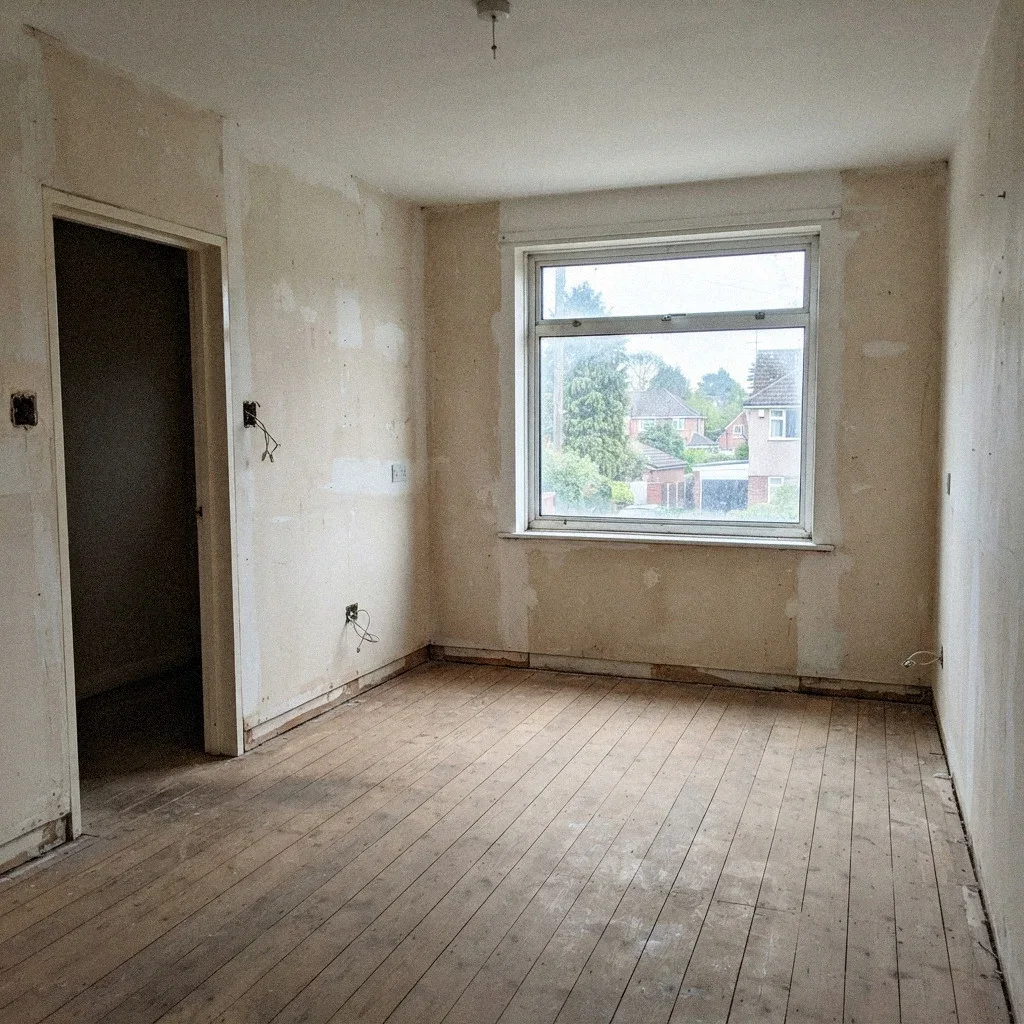
Some causes are mechanical, some are climate, and a few are just old construction meeting a marine layer that never quite leaves. A 1950s tract house near Mission Trails Regional Park fails differently than a Craftsman bungalow in North Park. Read for the pattern that matches the home, then check what that specific source actually requires to fix.
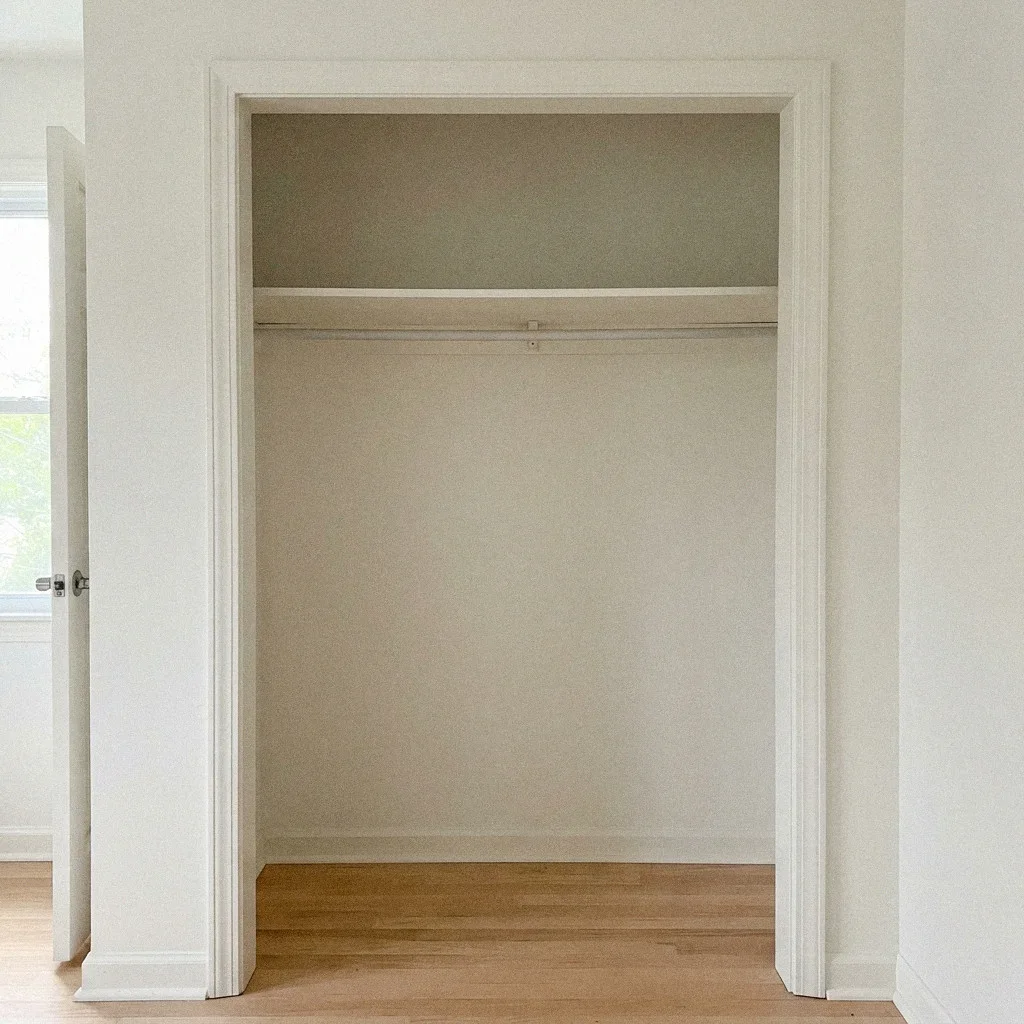
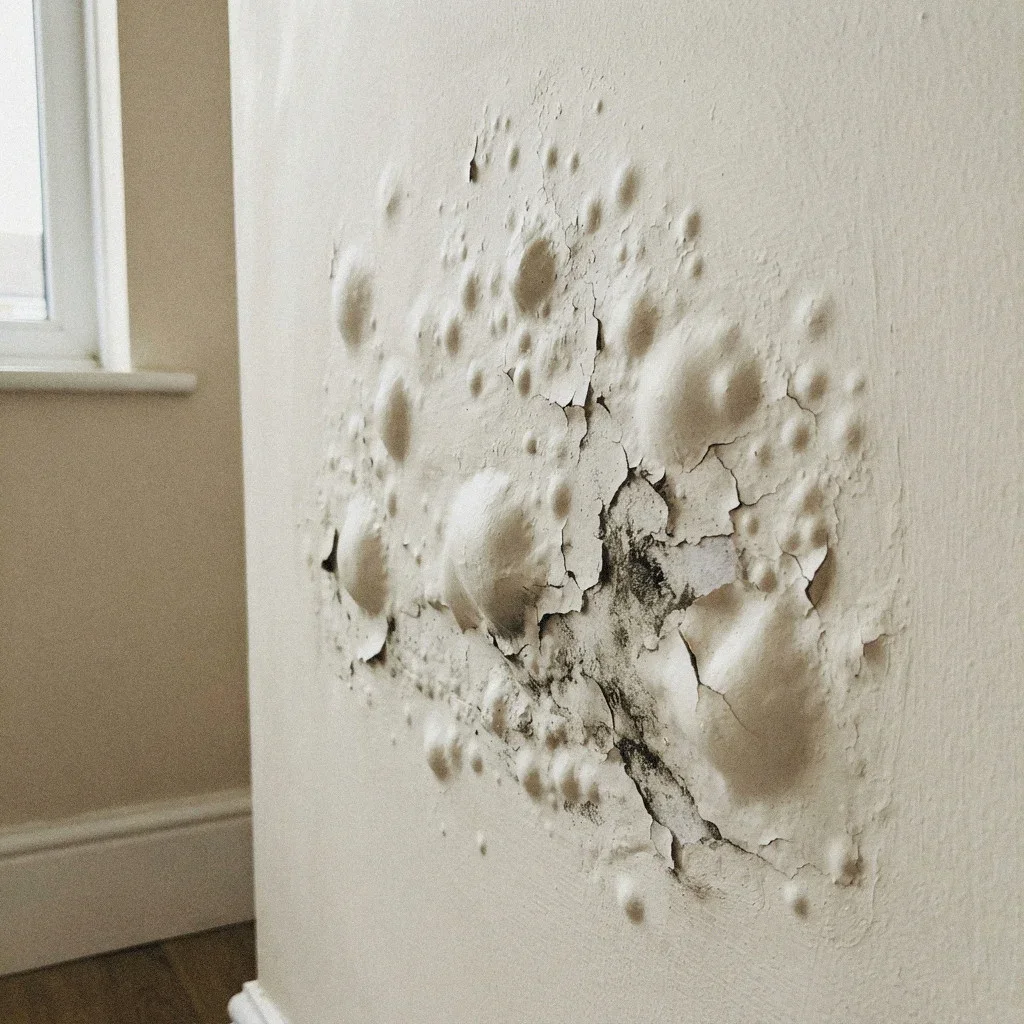
Roof, walls and windows
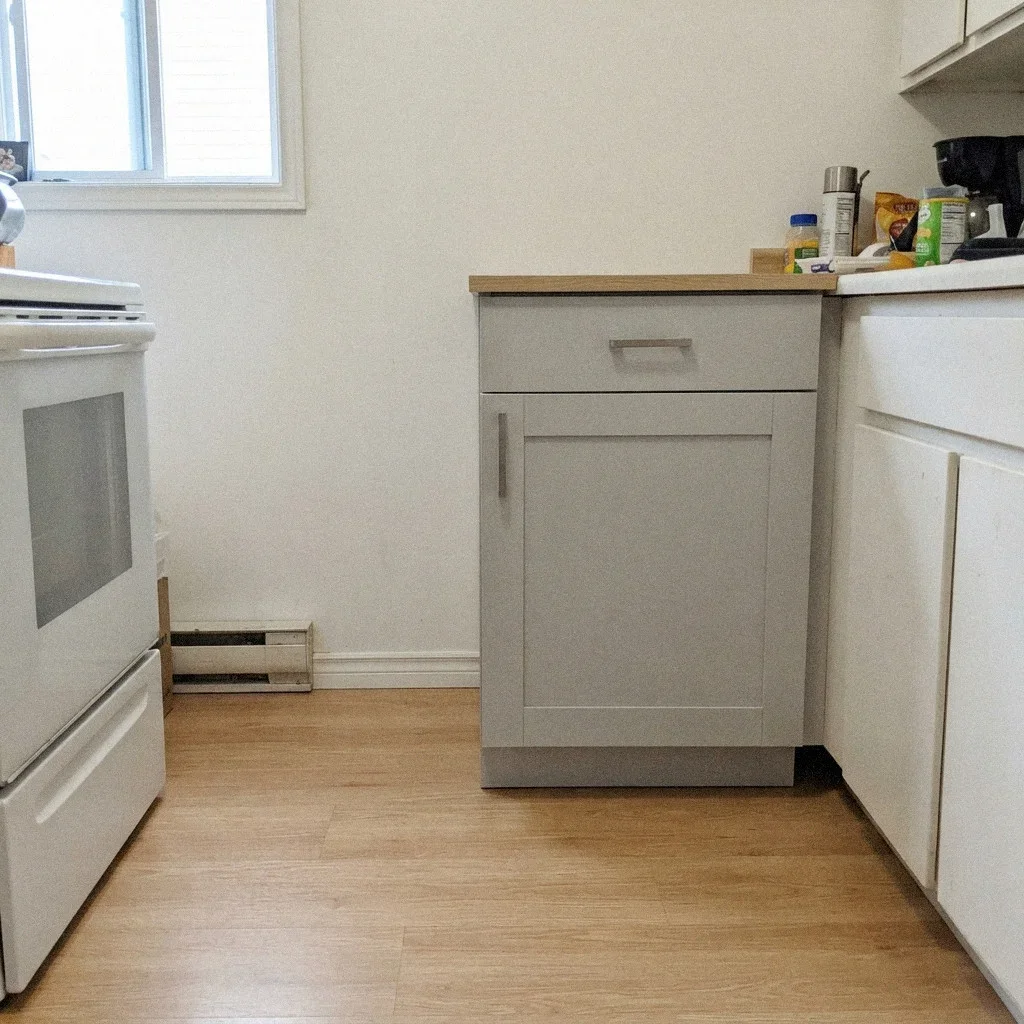
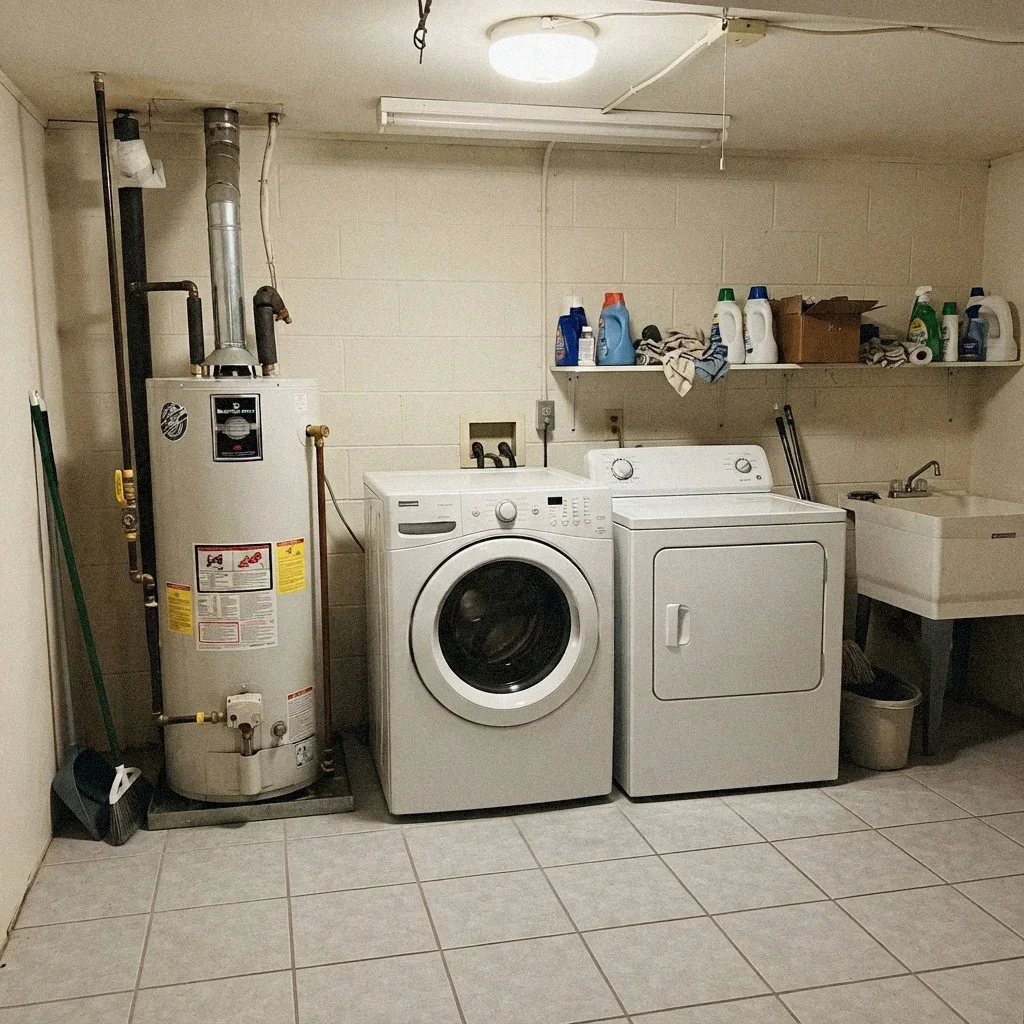
Plumbing and appliance leaks
Air conditioning and ventilation
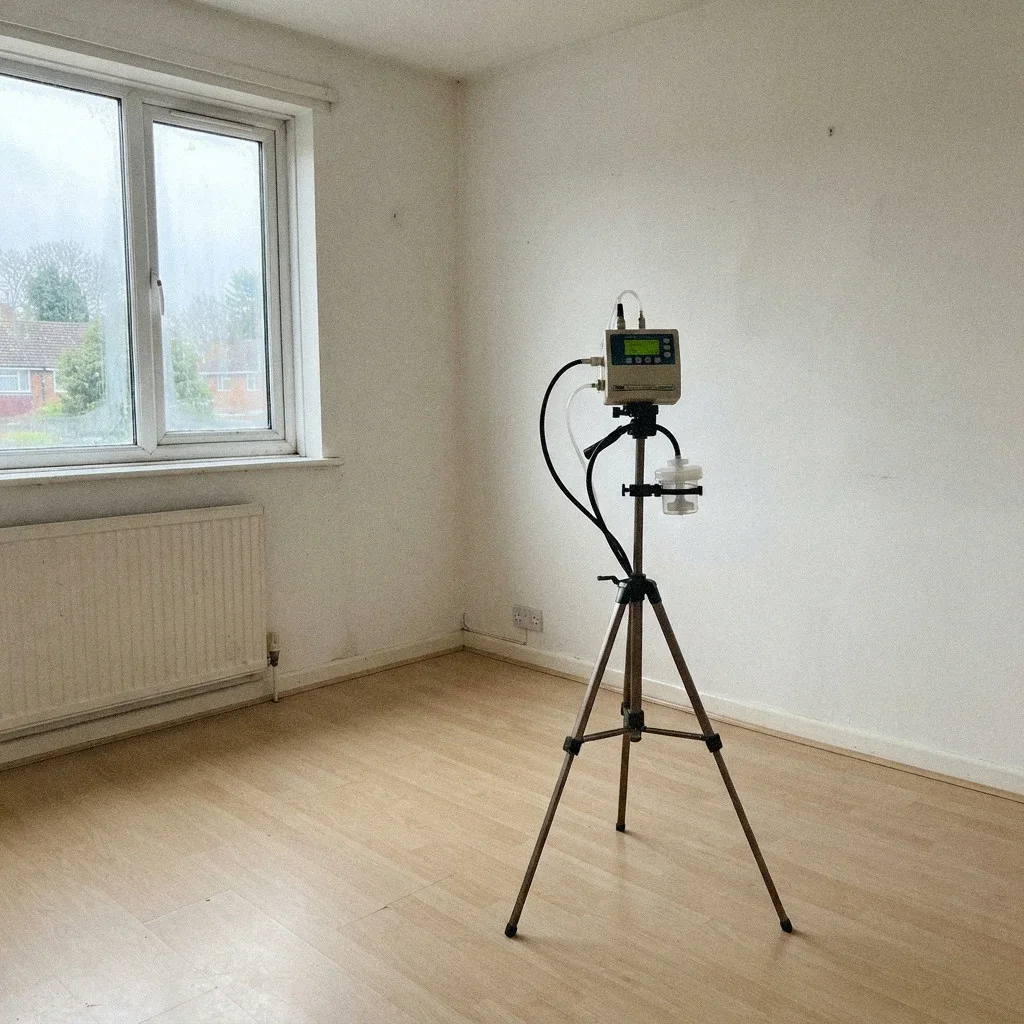
Humidity and trapped air
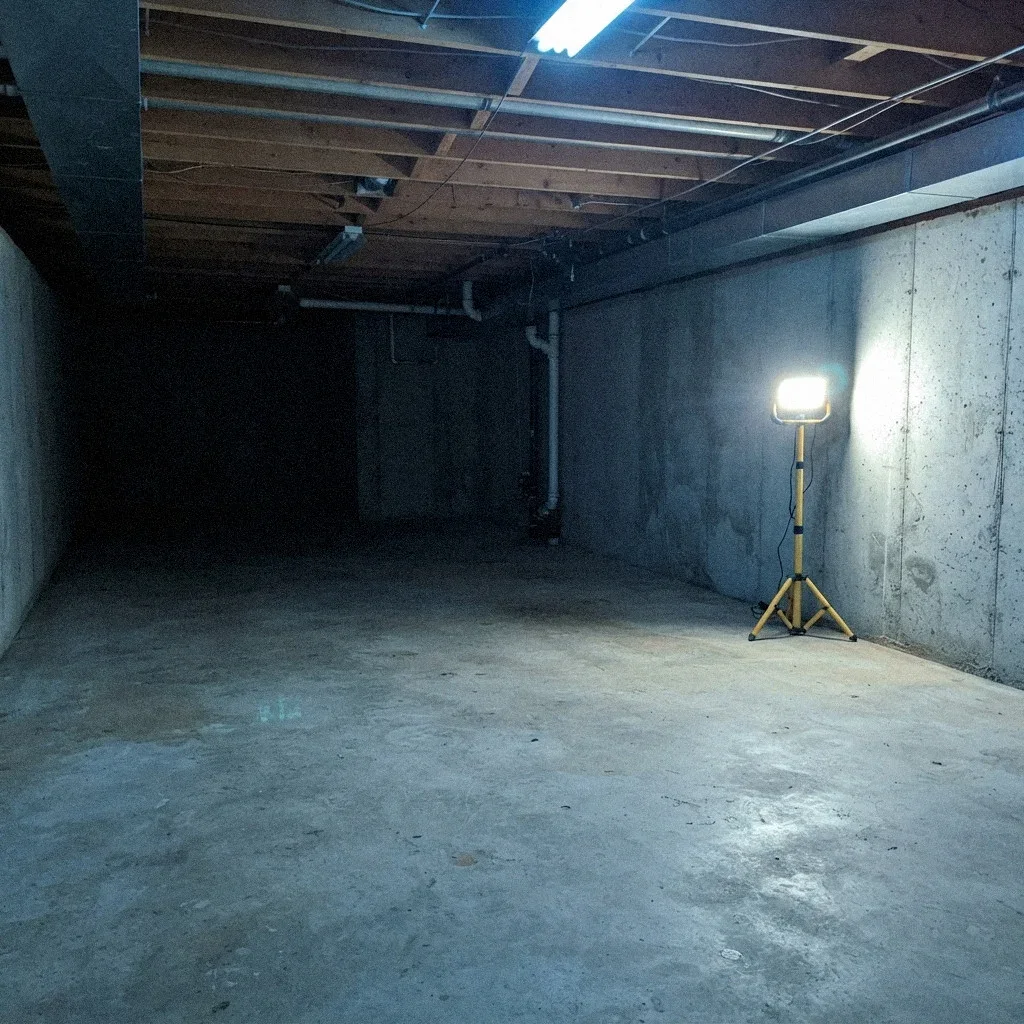
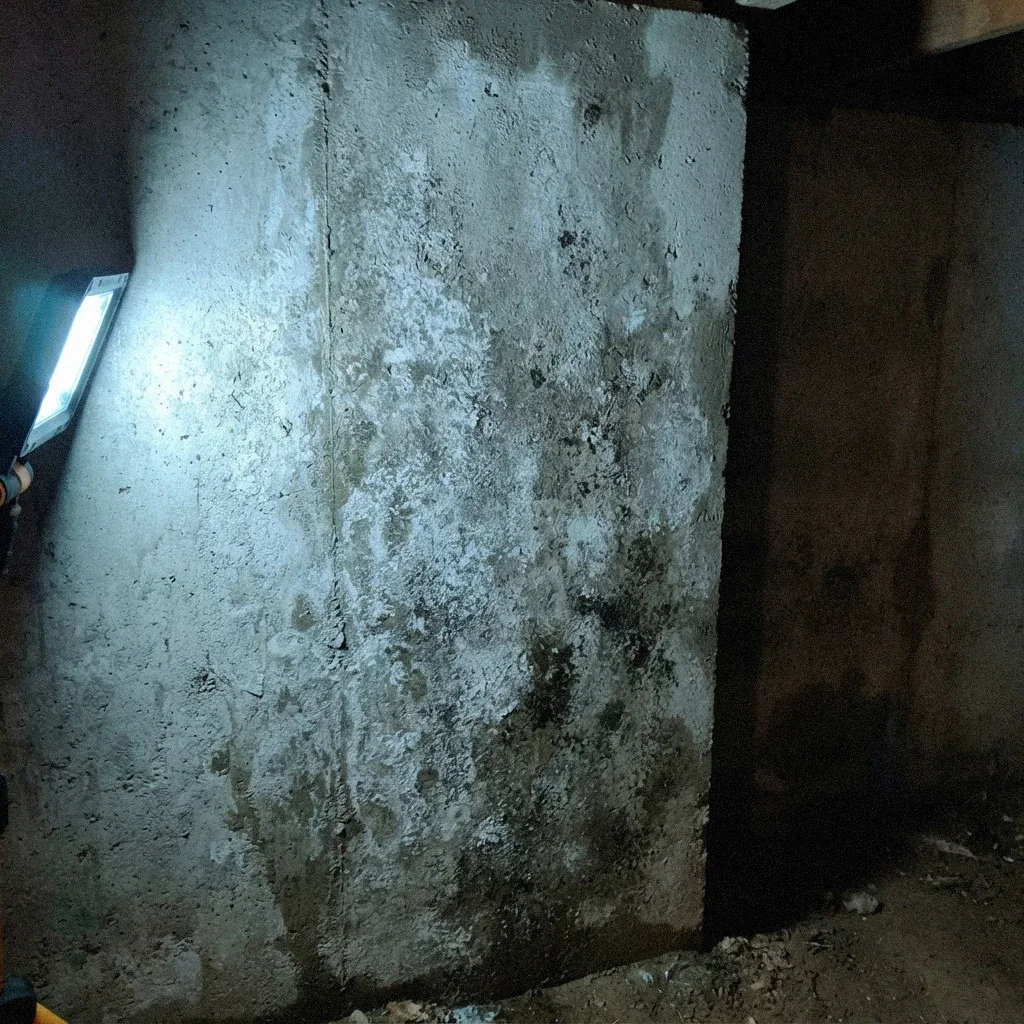
Crawl space and foundation
Questions & Answers
Frequently Asked Questions
Which causes are actually common in San Diego?
Nearly all of them come down to one of three things: water getting in from outside, water escaping inside, or air that never dries out. A roof or window leak, a slow plumbing leak behind a cabinet, an air conditioning condensate line that has backed up, a bathroom extractor venting into a roof space, or a crawl space that stays damp. Which of those dominates depends on how a house is built and where it sits, which is why there is a page per cause rather than one list.
I do not know what I am looking at. Where do I start?
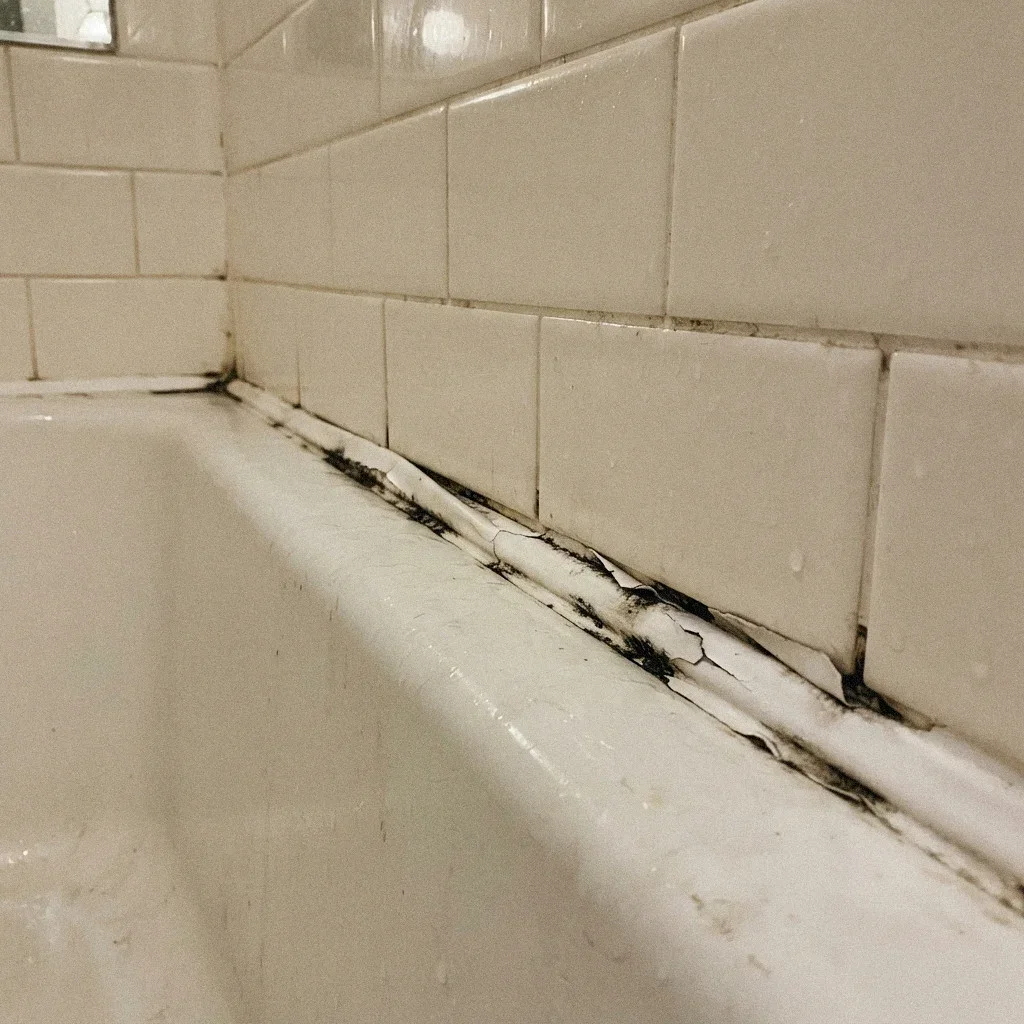
Start with what you can see and smell rather than what you think it is, because a good part of this is ruling out the look-alikes — soot from a candle, mineral efflorescence on masonry, and old water staining all get mistaken for mold. The symptom page walks through what people actually notice, from a musty smell in one room to dark speckling along a cold wall, and points at the likely cause. The assessment costs nothing, and treating the wrong thing is the usual reason a problem comes back.
Do you charge more for some causes than others?
Yes, and the difference is real work rather than a surcharge. Surface growth in a well-ventilated bathroom is one visit. Anything that has reached a wall cavity, an attic or a crawl space needs containment, removal and disposal of porous material, and clearance testing afterwards, so it sits at the top of the range. Estimated bands for each are published on the pricing guide.
Get Started Today
Not sure which one you are looking at?
Most callers can describe what they see but not what is feeding it, and that is the part worth getting right first. A slow roof leak, a condensate line that has backed up, an extractor fan venting into a roof space and marine air condensing on a cold wall all leave growth that looks much the same on the surface and needs a different fix underneath. The assessment is free and it starts with finding the water, not the stain.
Call (619) 833-1053