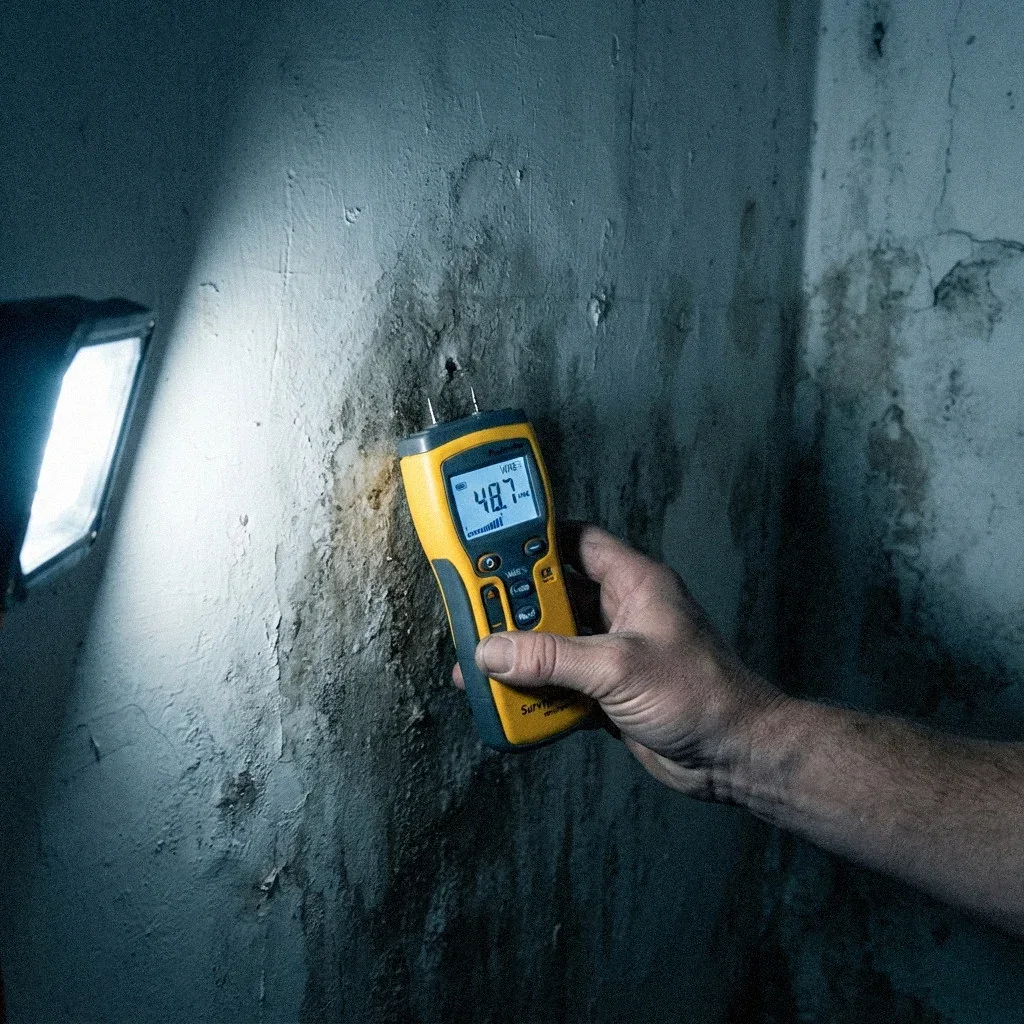
Mold Inspection & Testing
A documented inspection with lab testing, when you actually need proof.
Learn about Mold Inspection & Testing
Mold removal covers different jobs depending on what's growing and where. A dark patch on a Clairemont bathroom ceiling from air conditioning condensate is not the same job as a musty crawl space under a Craftsman near South Park. Moisture is what allows growth, so the right service starts with finding the water, not the color. Pick the one that matches your situation, or call (619) 833-1053 if you're not sure which.
San Diego does not need a rainy season to grow mold. Marine air off the Pacific meets a cool wall or an air conditioning line, and that is enough. A 1920s bungalow near Adams Avenue and a 1960s tract house on the mesas above Balboa Avenue fail in different ways, because the housing stock spans decades and the fix has to match the era, not a generic checklist.
No test tells you the air is safe, because no such limit exists to test against, and color never identifies what is growing. What separates the services below is what each one is actually for: some answer a smell, some answer a stain, some answer a sale closing near Mission Valley. Read for the situation, then call to talk through which one fits.
This is most often a home job — residential mold removal sets out what that involves, or see commercial mold removal if the property is a business or a rental.
Every service below is available across San Diego and the surrounding San Diego County communities.
A documented inspection with lab testing, when you actually need proof.
Learn about Mold Inspection & Testing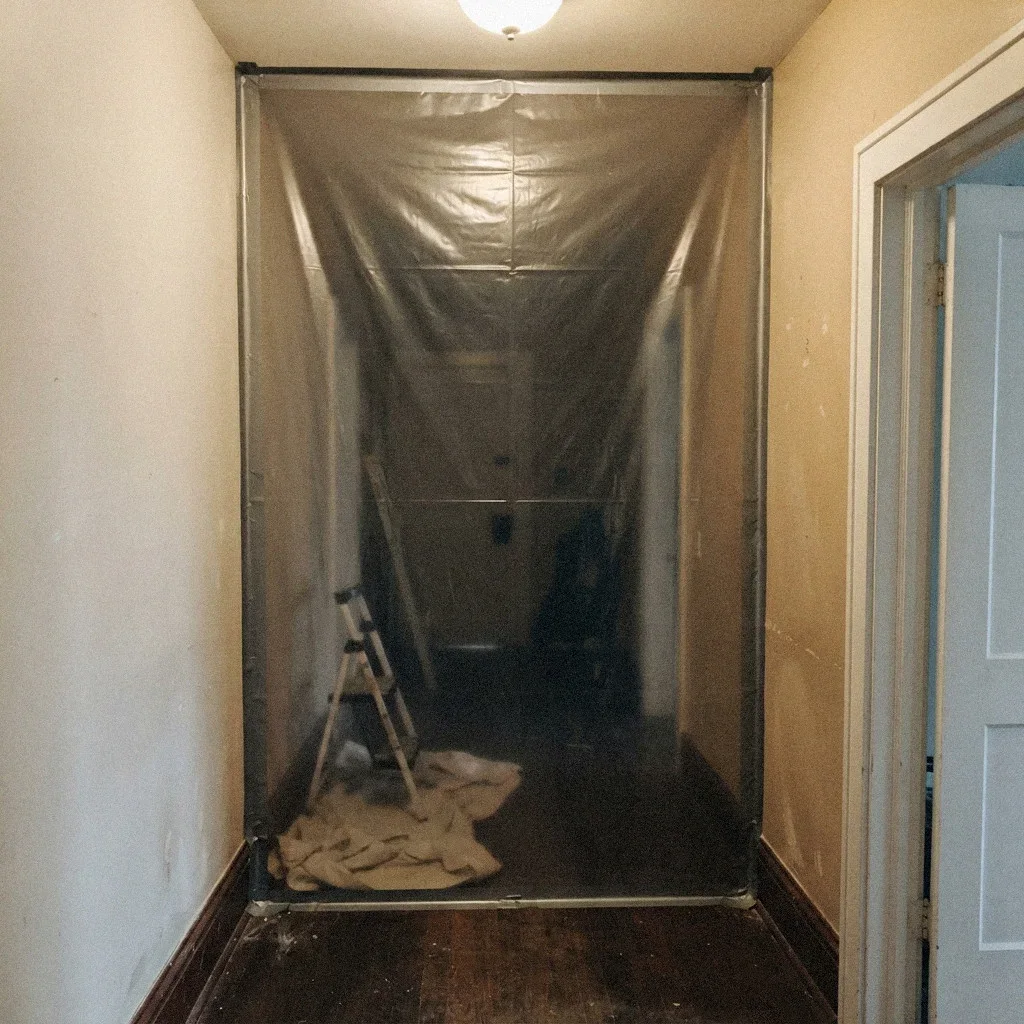
Containment, removal, and HEPA cleaning done in the right order.
Learn about Mold Remediation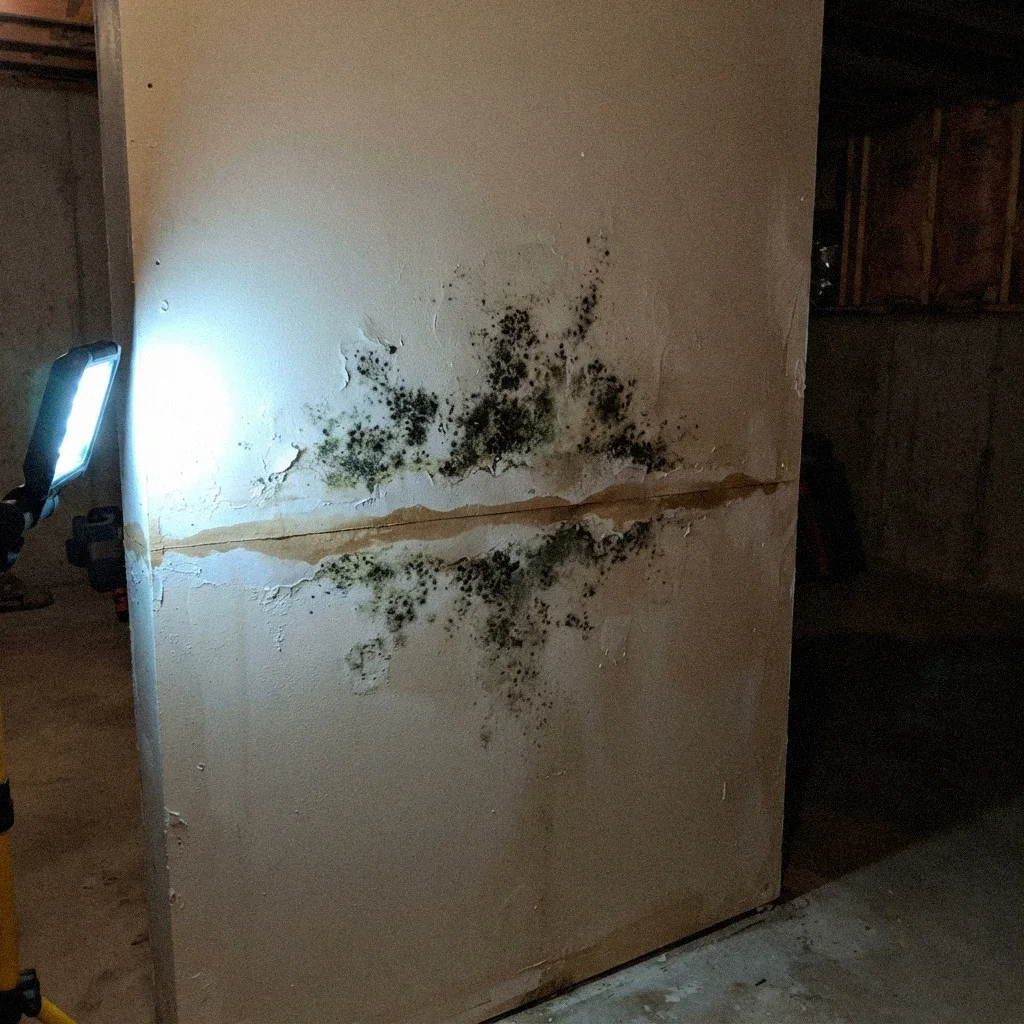
Dark mold on drywall or grout, removed by material, not by color
Learn about Black Mold Removal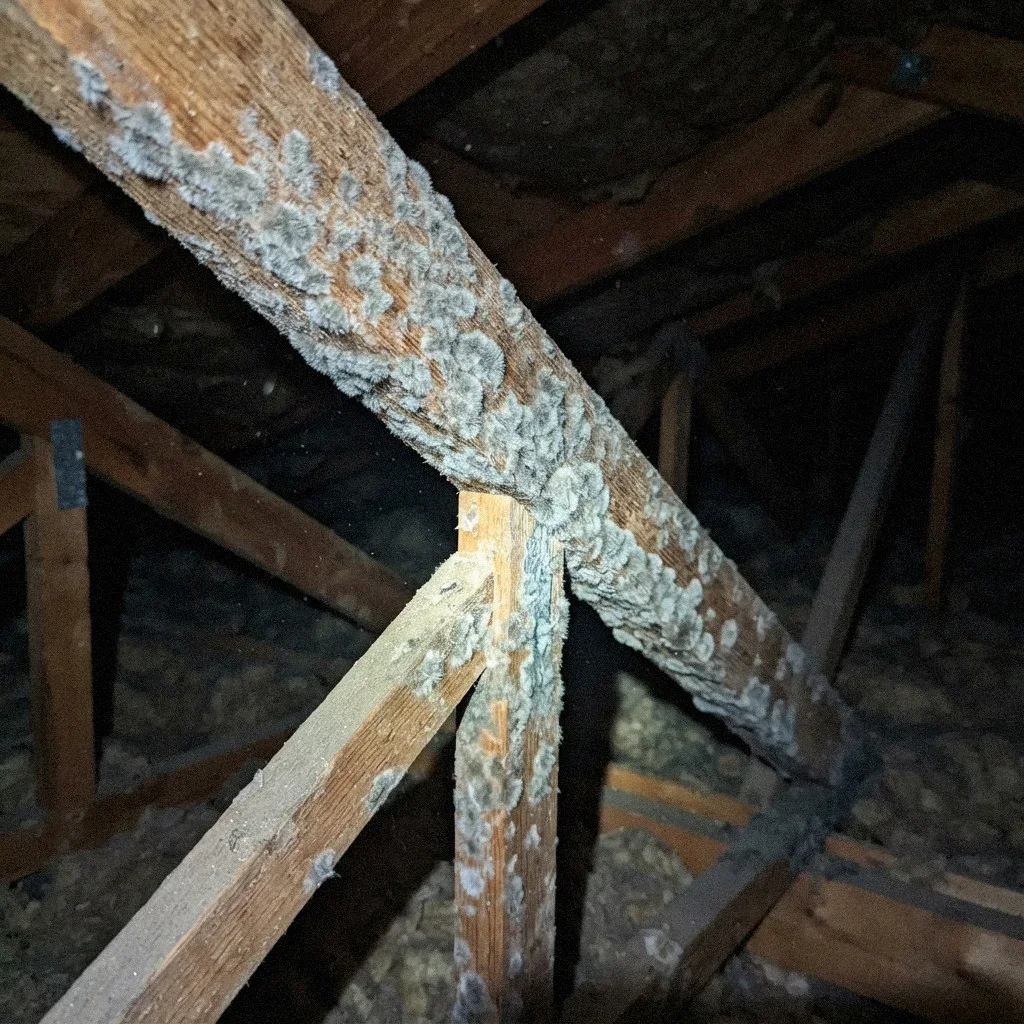
Attic mold from trapped moisture, not always a roof leak.
Learn about Attic Mold Removal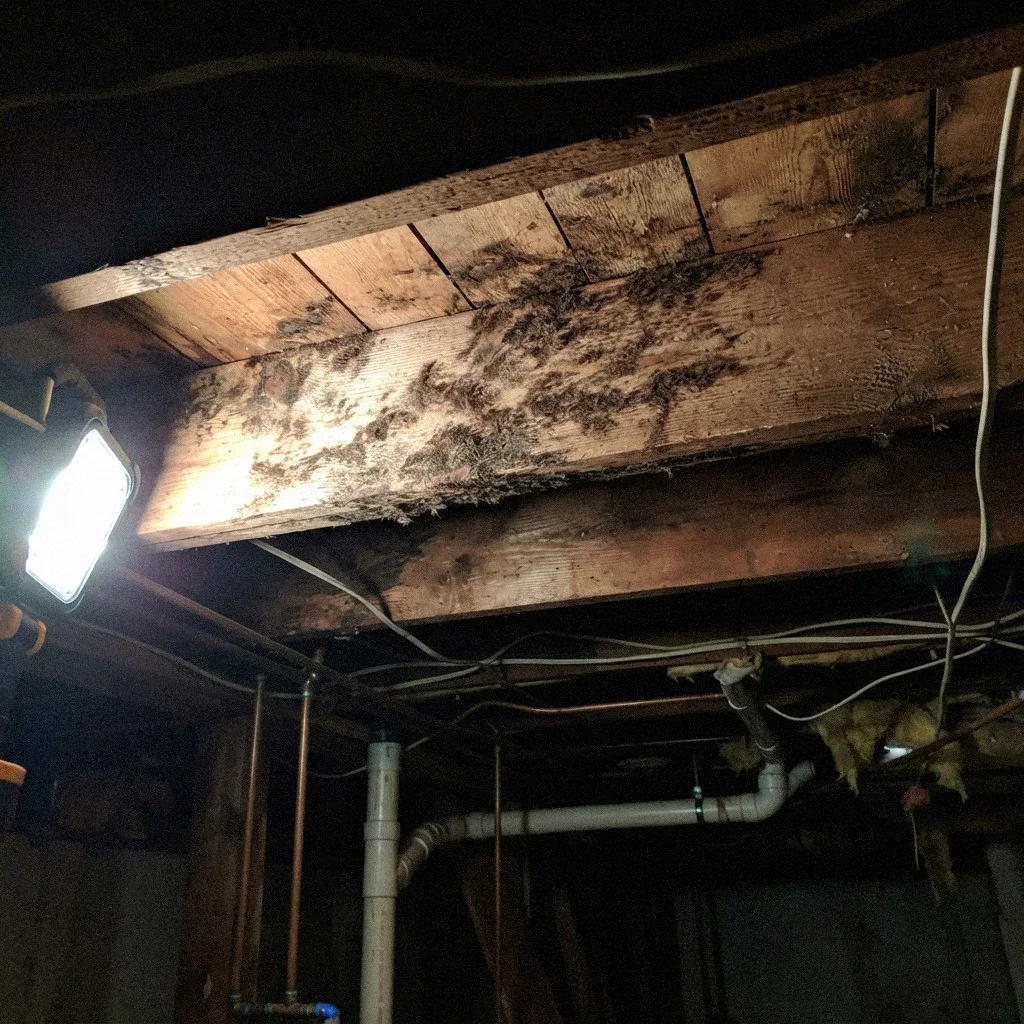
Mold on joists, subfloor and the vapor barrier below your floor.
Learn about Crawl Space Mold Removal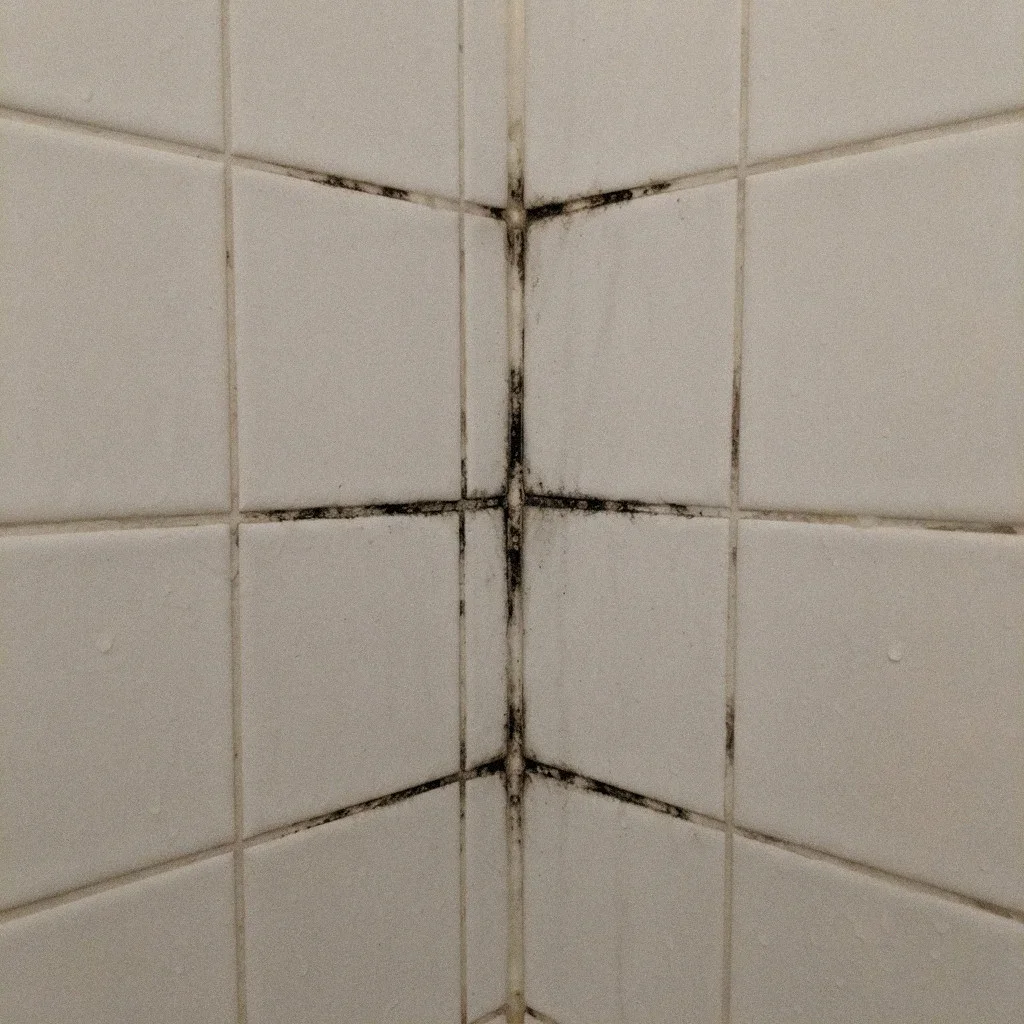
Grout, silicone, ceiling paint, the wall behind the shower.
Learn about Bathroom & Shower Mold Removal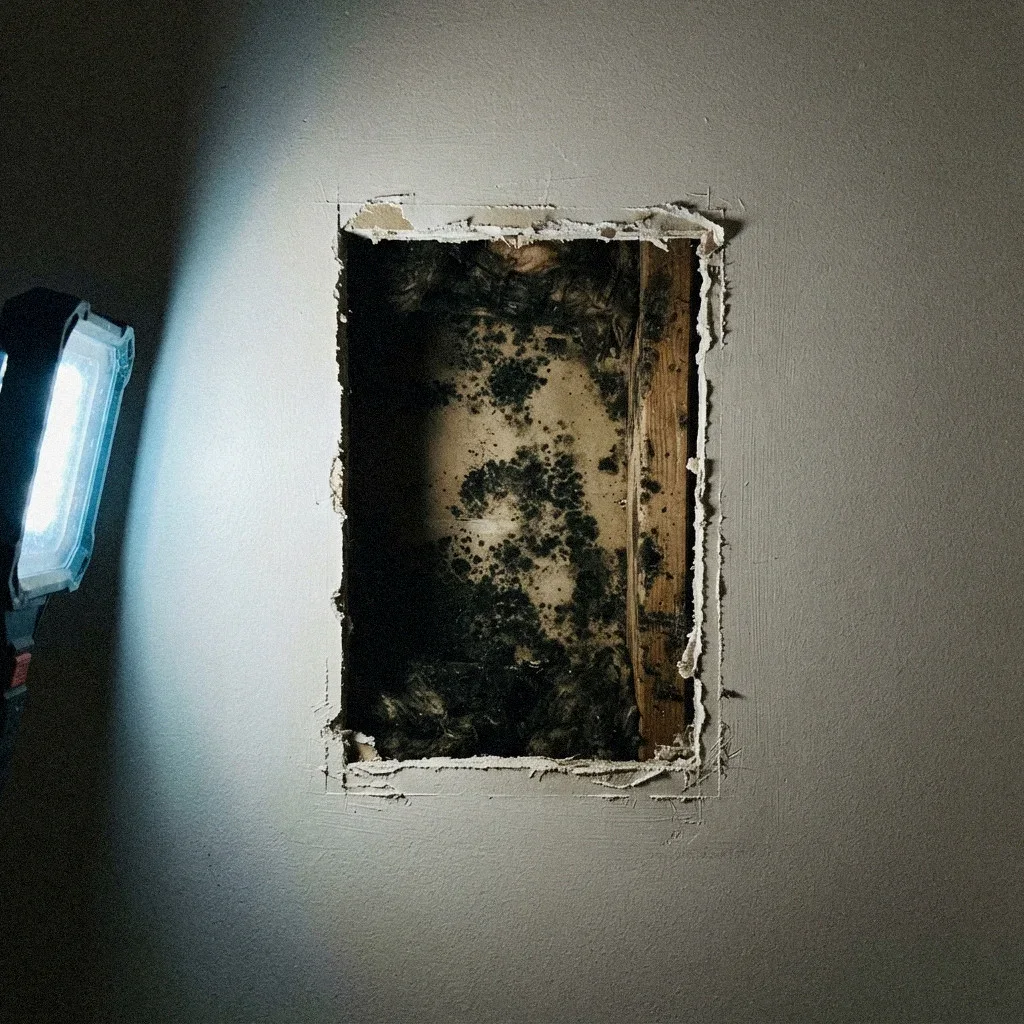
Mold cut from behind drywall and wall cavities, not painted over.
Learn about Drywall & Wall Cavity Mold Removal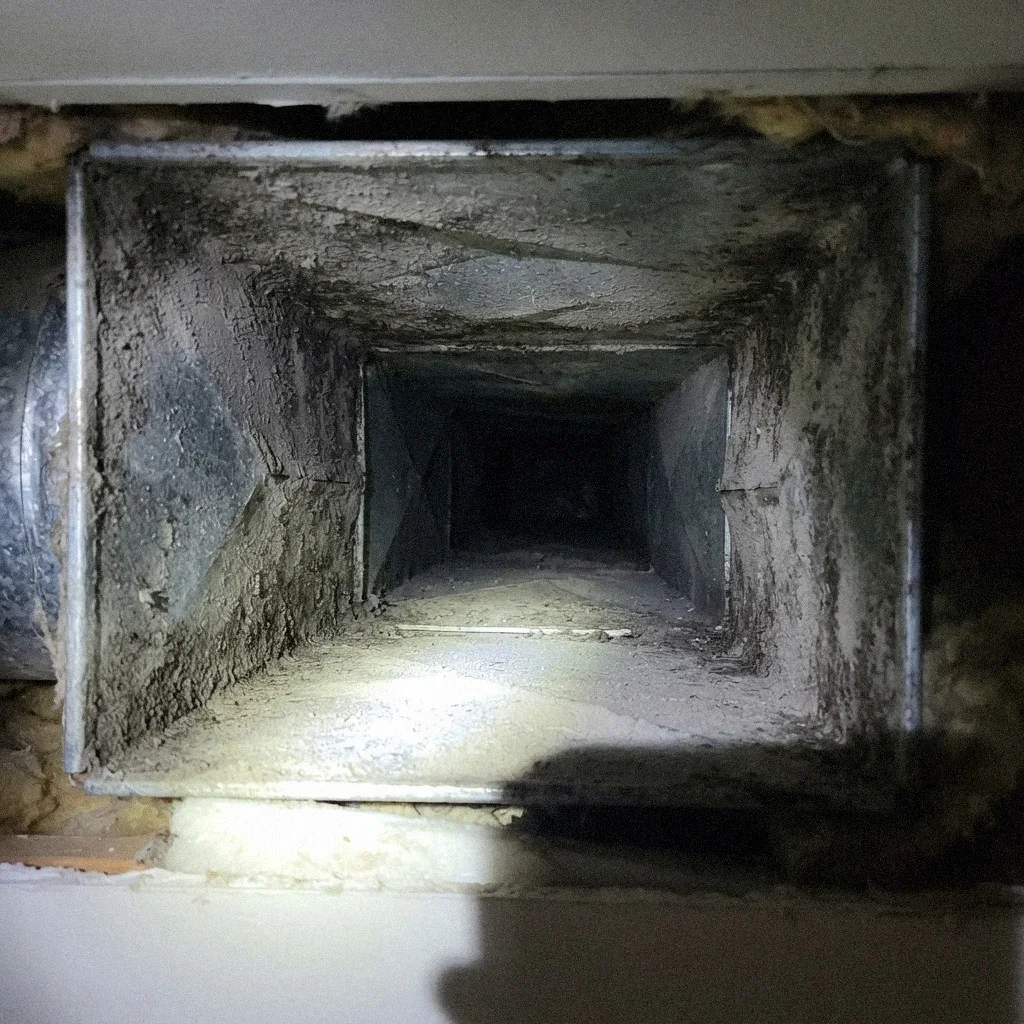
Mold in the air handler spreads through every room it feeds.
Learn about HVAC & Air Duct Mold Removal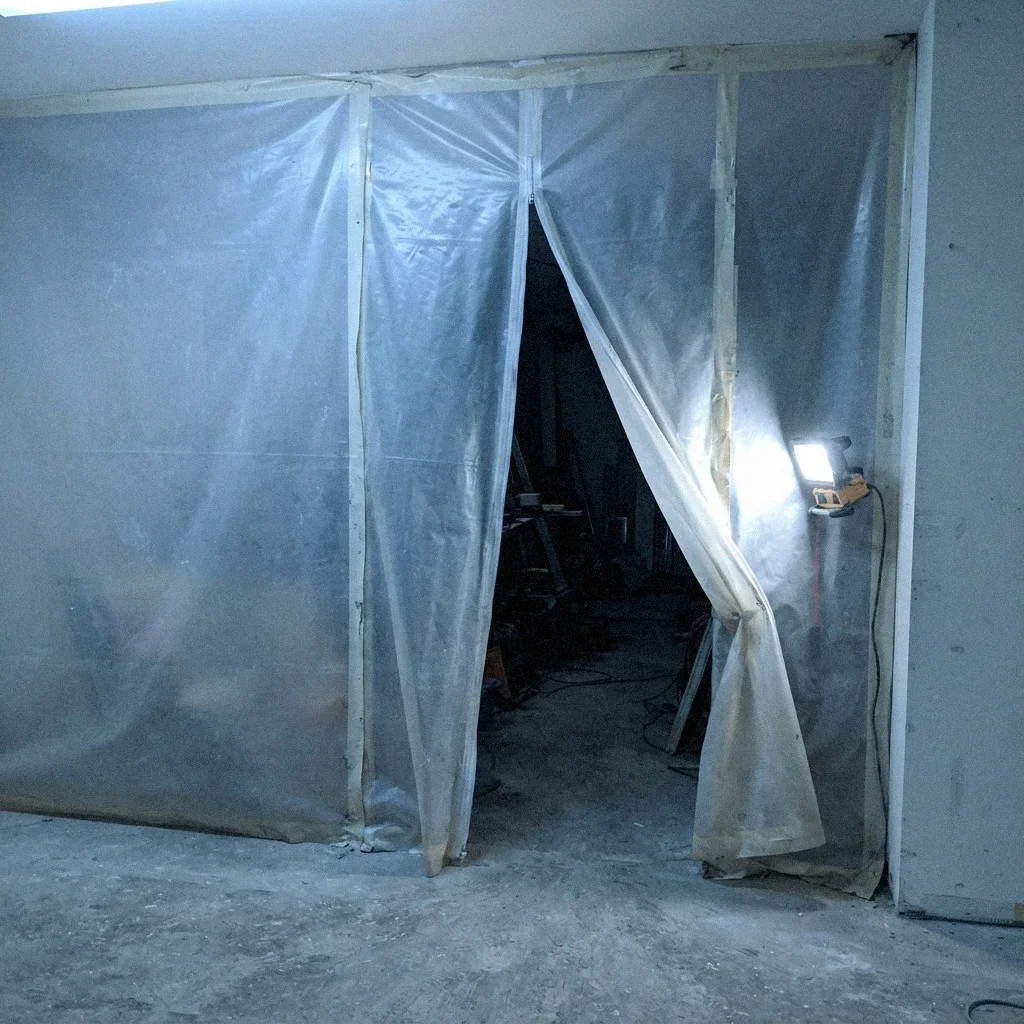
Multi-room mold, staged containment, one coordinated job.
Learn about Whole-Home Mold Remediation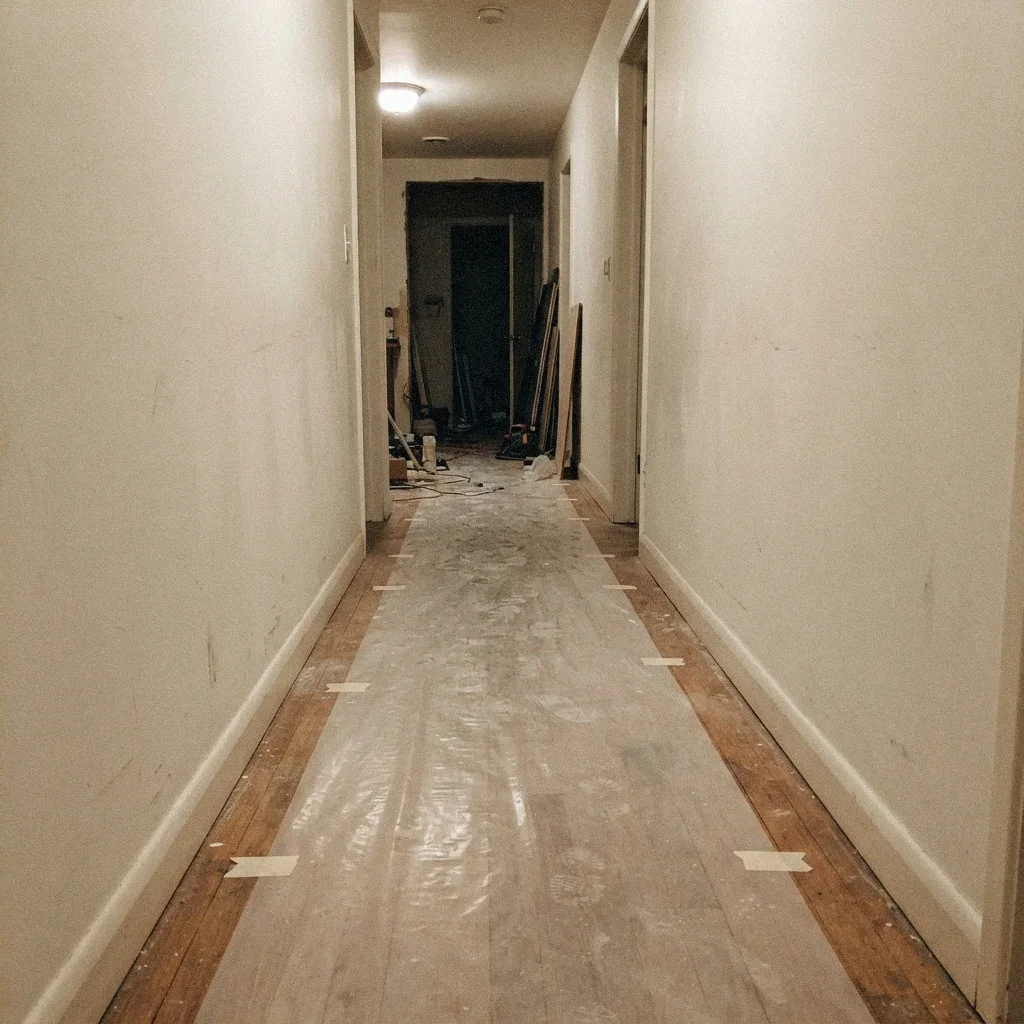
After-hours mold removal for San Diego offices, retail and warehouse space
Learn about Commercial Mold Removal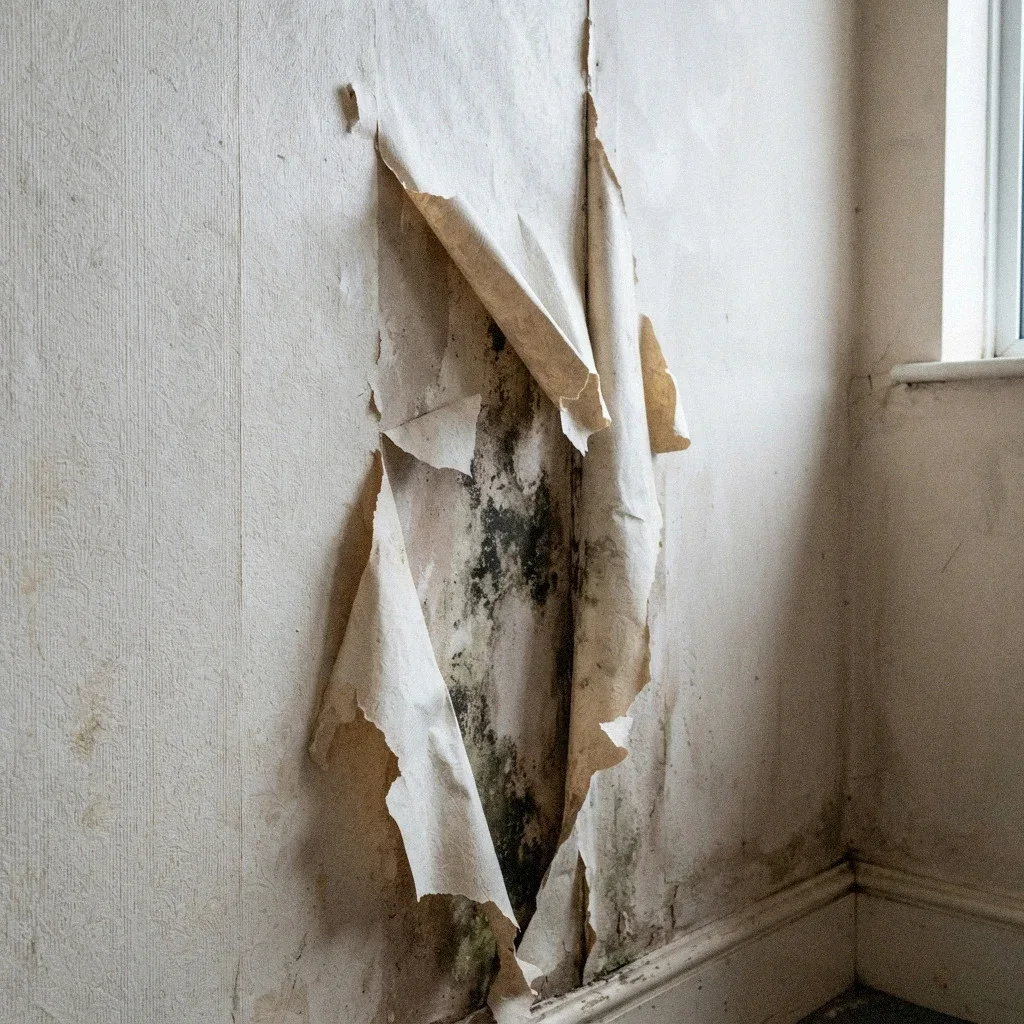
Finding the water feeding the mold, before it gets cleaned.
Learn about Moisture Source & Leak Detection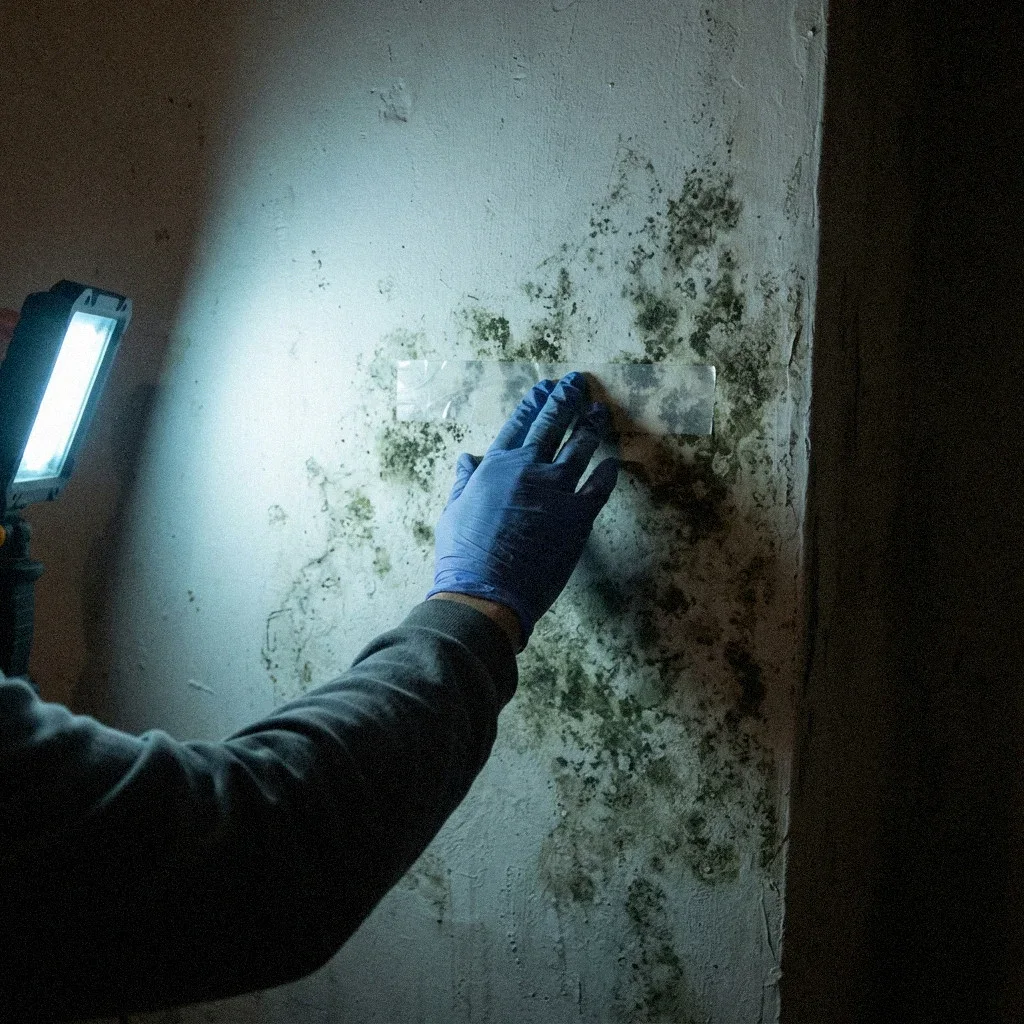
Independent proof the remediation actually worked, not just a contractor's word for it.
Learn about Clearance Testing & VerificationRain is not the trigger here. San Diego homes grow mold from marine humidity meeting a cooler surface, from air conditioning condensate, and from small leaks that go unnoticed because there is no wet season to expose them. A single-glazed aluminum window in a Clairemont or Bay Park house will condense on a foggy night in July as easily as January. Add a slow supply line under a Normal Heights kitchen sink and mold has what it needs through a whole dry summer, no storm required.
Yes. San Diego's mold problem is marine humidity, not storms. Damp air off the Pacific Ocean meets a cool wall, an air conditioner condensate line, or a shaded crawl space in Bay Park or Linda Vista, and moisture collects with no rain involved. Nine to ten inches a year is a dry climate on paper, but indoor humidity does not read a rain gauge. A closed-up house near Mission Bay can grow mold across a rainless July.
Not usually. If growth is visible on drywall or in a bathroom corner, you can already see what matters. Sampling adds cost without changing the work: there's no published exposure limit to compare a result against, so a lab number doesn't tell you whether the San Diego home is fine to live in. Testing earns its cost in narrower cases, like confirming clearance after remediation or checking a space with a smell but no visible growth.
Yes. Mold needs moisture, not rain. In San Diego that moisture comes from marine humidity meeting a cool surface, from air conditioning condensate, or from a slow leak nobody notices because there's no rainy season to expose it. A 1950s tract house in Clairemont or Allied Gardens can grow mold through a bone-dry summer. Bleach whitens the color but leaves the growth underneath, since the real problem is wherever the water is coming from.
Not really. Homes near Pacific Beach and Ocean Beach see it more because damp air off the water sits against cooler interior surfaces, but a tract house in Clairemont or Serra Mesa with a window AC unit running all summer builds the same condensation problem inland. Age and construction matter more than distance to the coast. A 1960s slab home on Clairemont Mesa Boulevard with poor attic ventilation can grow mold just as fast as one blocks from the shoreline.
Every service on this page starts with the same question: where is the water coming from. A crew that skips it is pricing half the job, whether the work is in a Golden Hill Victorian or a Rancho Bernardo split-level. The licensed pros we connect you with in San Diego look at the moisture source before they quote the cleanup, because treating the stain without stopping the source just buys the mold a second visit. Call Now: (619) 833-1053 to describe what you're seeing and find out what applies.
Call (619) 833-1053