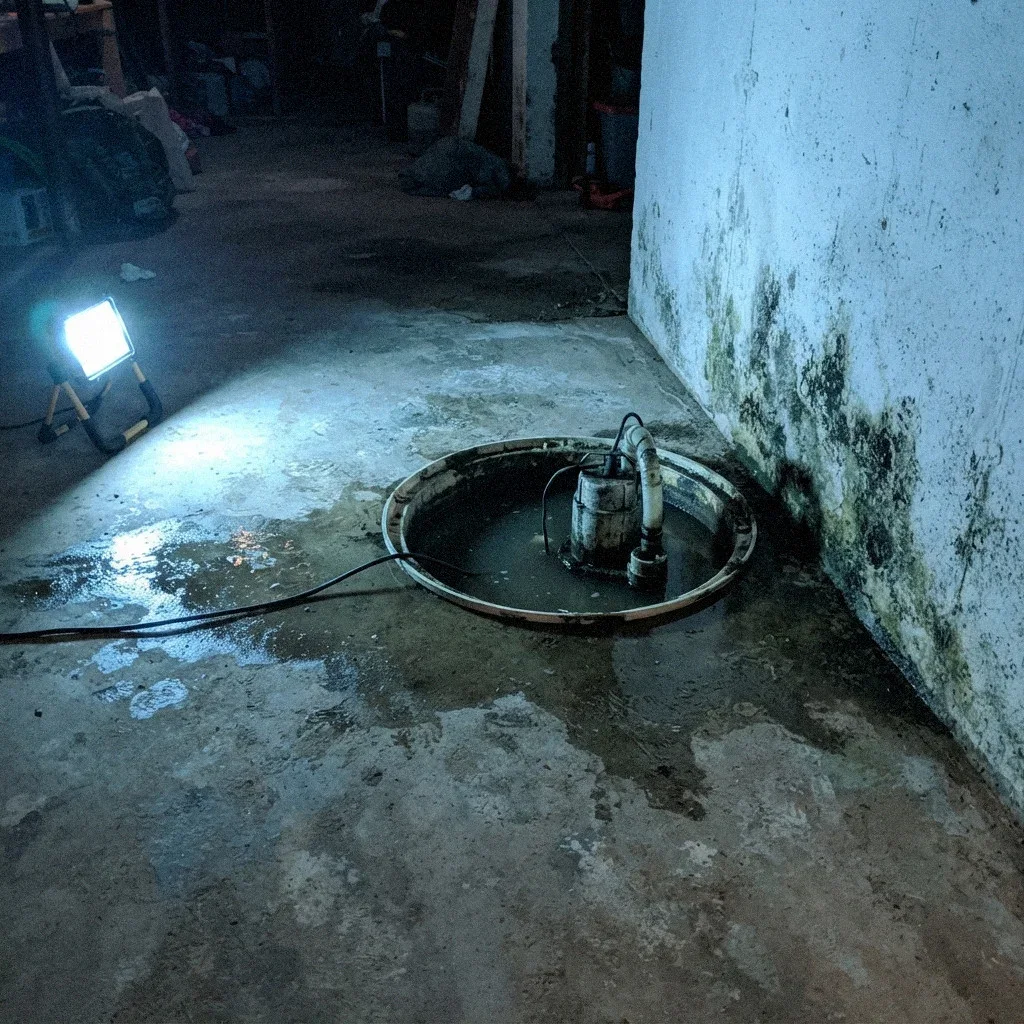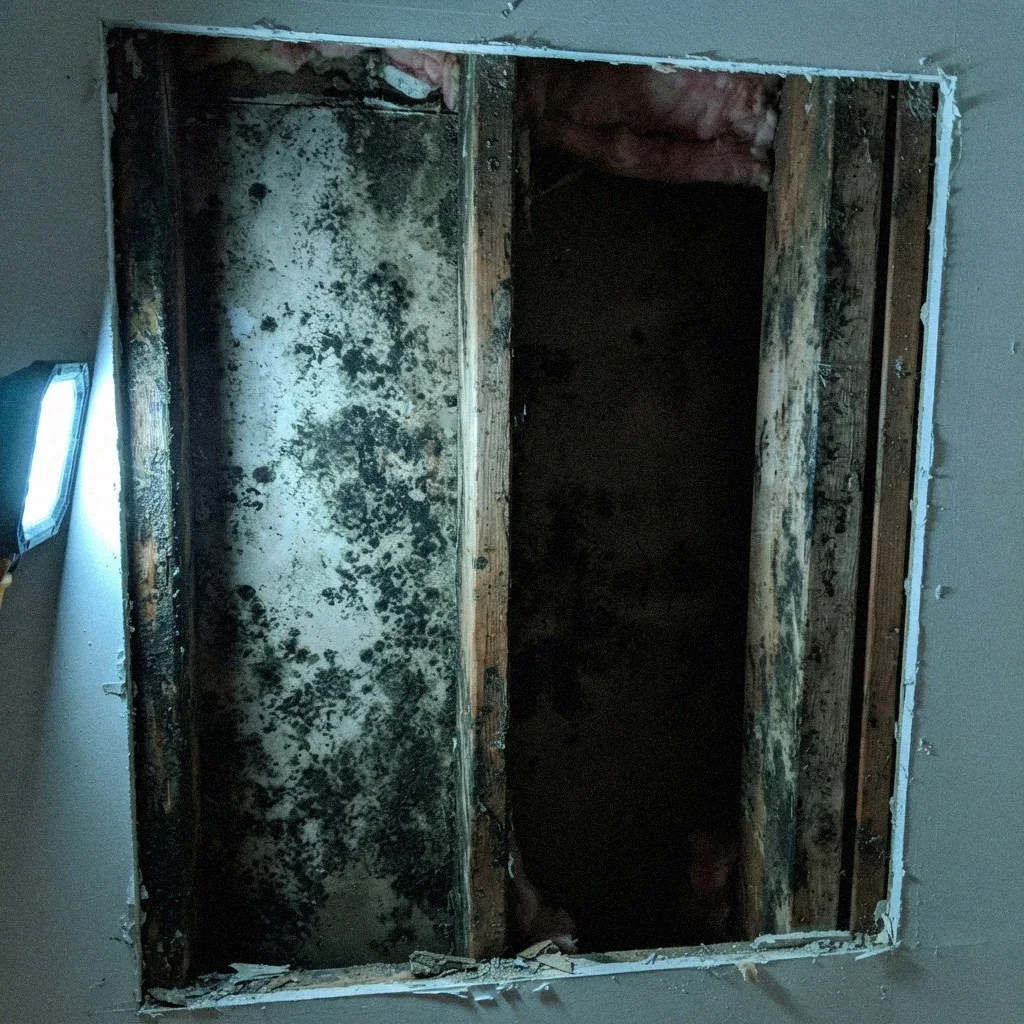
A house in San Diego with mold in its past is not a damaged house. It is a house with a maintenance record, same as one with a repiped bathroom or a replaced roof. What worries buyers is not that mold happened once, since almost every older home near Mission Valley or the coast has had some, but whether anyone can say what caused it, what was done, and whether it came back.
Documentation is an asset
Remediation paperwork with a clearance result tells a buyer the moisture source was found and the growth was removed, not painted over. That is a stronger position than silence. A seller with no record is asking a buyer to take the house's history on faith. A seller with a dated scope of work and a post-remediation clearance is handing over a fact, not a guess.
What a clearance actually shows
A clearance result generally means a visual check, sometimes paired with air or surface samples, taken after the work was finished and before the area was closed up again. It shows the space looked and tested clean at that point in time. It does not certify the house mold-free forever, and no one should represent it that way, but it is real evidence the job was finished rather than abandoned halfway.
What inspectors look for
A buyer's inspector in San Diego is not chasing a species name. They look for active moisture: a stained ceiling below an old air conditioning condensate line, soft drywall near a bathroom, a musty smell in a closed closet, staining that suggests a slow leak rather than a one-time event. If the moisture source was fixed along with the mold, there is usually nothing active left to find.
Old stains versus active growth
A discolored patch of drywall that has been dry for years and tests clean is a cosmetic issue, not a mold problem. Inspectors and buyers can usually tell the difference between an old stain and current growth by whether the material is still damp, whether there is a smell, and whether the moisture source is still present. A repainted ceiling with a fixed condensate line behind it is not concealment.
Why fixing the water matters most
None of this holds up if the water problem was never solved. Mold that was cleaned once but grows back because a roof still leaks, or a bathroom fan was never installed, or a condensate line still backs up, is not a closed chapter. A seller who paid for remediation but skipped the underlying repair has spent money without buying the peace of mind that makes the paperwork worth showing.
What disclosure generally turns on
Disclosure in California generally turns on what the seller actually knows, not on speculation about what might be hiding in a wall. Known past mold and known repairs are the kind of material fact sellers are expected to disclose. This is general information, not legal advice, and a seller with specific questions about their own transaction should ask a real estate attorney or their agent.
The Toxic Mold Protection Act
Sellers sometimes assume a past mold problem sinks the deal. In practice, a clearance report showing the work was finished and the air or surface readings came back clean is closer to an asset: it tells a buyer's inspector the moisture source was found and fixed, not painted over. What worries an inspector is a musty smell with no paperwork behind it, or a patch of fresh paint on drywall near a bathroom in a 1950s Kensington bungalow with nothing explaining why it is there.
Renters are a separate case
The Act's disclosure duty toward tenants, tied to Health and Safety Code section 26148, is a landlord-to-renter obligation and a different situation from a home sale. A seller in Clairemont or North Park is not operating under the same rule as a landlord with a current tenant. The two get conflated online, and it is worth knowing they are not the same requirement before assuming either one.
Why San Diego homes see this at all
None of this requires a lawyer to understand the shape of it, even though the specifics of disclosure are a legal question and not one this page will answer. What tends to matter in practice is documentation: a completed remediation with a clearance result gives a buyer's inspector something concrete to evaluate, rather than a bare assurance. A house in Clairemont or Kensington with paperwork showing the moisture source was fixed reads differently than one with a fresh coat of paint over a stain and no explanation.
What to gather before listing
Before listing, a seller with past mold should collect whatever exists: the remediation invoice, the scope of work, any clearance testing, and anything showing the moisture source was repaired, whether that was a condensate line, a roof flashing, or a bathroom exhaust fan. Gaps are normal in older paperwork. What matters is being able to describe the sequence of cause, fix, and result honestly.
The short version
Past mold with a documented, completed remediation is a closed item, not an open liability. What sinks a sale is not the history, it is an unresolved moisture source or a seller who cannot say what happened. Anyone weighing a listing with a mold history in the past should read this site's remediation guide for what a proper job includes before assuming the worst.
Dealing with this in your home?
Mold in San Diego rarely starts with a storm. Marine air off the coast meets a cool interior surface, or an air conditioner drips quietly behind drywall, and growth begins without a drop of rain. A 1950s tract house near Clairemont Mesa Boulevard and a Craftsman near South Park fail the same way: moisture first, staining second. Bleach handles the color. It does not handle the source.