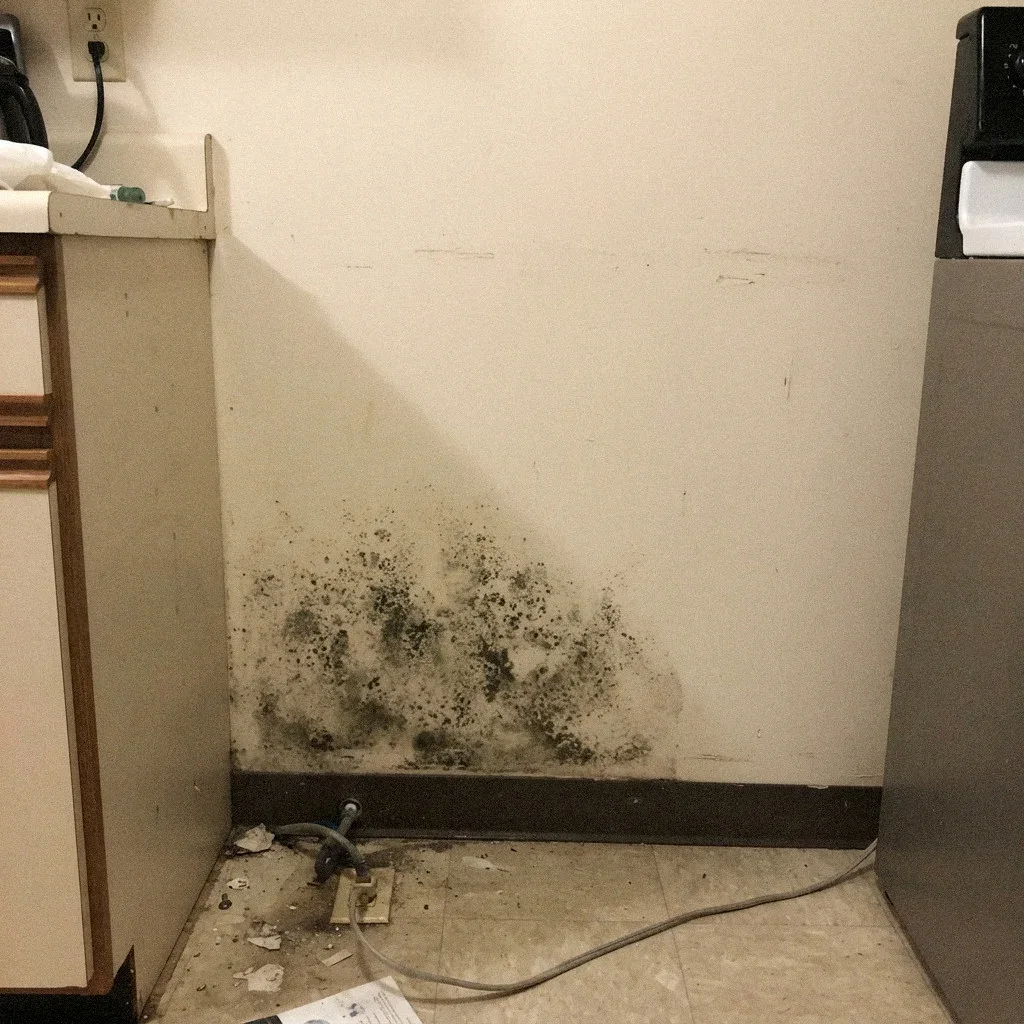
Bleach Treats What You See, Not What Is Growing
Aspergillus is a common genus of mold found indoors and outdoors worldwide, including throughout San Diego. It cannot be identified by color or smell alone, and lab testing is rarely necessary since remediation follows the affected material and the moisture source, not the species. A mold assessor evaluates growth on drywall, ductwork, or air handler components the same way regardless of genus.
Homes without air conditioning, common along the coast near Ocean Beach and Pacific Beach, have no mechanical dehumidification working against that marine humidity. Inland, AC condensate lines that back up into the air handler cabinet create the same damp porous material Aspergillus needs, just from a different source.
Wiping visible growth with bleach or a store spray can lighten a patch for a week and leave the underlying colony intact below the surface. Nothing changes for the reader's household until the moisture source is found and closed off, whether that's a bath fan, a roof flashing, or condensate pooling somewhere unseen.
When Testing Actually Helps
- Appearance
- Colonies often appear yellow-green, gray, or white, but color alone never confirms this genus over another.
- Grows On
- Grows on dust, drywall paper, and wood wherever moisture intrusion or high relative humidity persists indoors.
- Smell
- A musty odor may be present but is not distinct enough to identify Aspergillus without lab analysis.
- Testing
- A mold assessor can sample it, but visible growth on porous material is usually removed without testing.
- Exposure
- No exposure limit exists for this or any indoor mold; a test cannot show whether air is safe.
- Growth Driver
- San Diego doesn't have a mold season built around rain or freeze, since summer is dry and winter brings the region's modest rainfall. Aspergillus tracks moisture intrusion and marine humidity year-round, from morning fog along Mission Bay to a condensate leak found in any month.
- Source Found
- an estimated $1100–$3900
The Price of Leaving It Another Month
Homeowners often assume a fuzzy gray-green patch on a closet wall is mildew, something surface-level and minor. Aspergillus can look similar on drywall paper, but appearance alone never confirms genus or species. The distinction that matters isn't the name, it's whether the material stayed wet long enough for growth to take hold. Both spread on damp cellulose - drywall paper, cardboard, wood - and both start as small colored spots that expand outward. Without lab analysis nobody can tell them apart by eye. What separates them practically is moisture duration, not color, and that's what a mold assessor is actually checking for.
The Work, in Order
Identification as Aspergillus specifically doesn't change what a mold remediator does. The removal is driven by what the material is, not what the species is - affected drywall, insulation, or framing gets removed and replaced rather than cleaned, regardless of which genus is present.
Containment during removal matters more with ductwork or air handler involvement, since disturbing growth inside an HVAC system can spread spores through the house. A mold remediator sets up containment and negative air for that reason, then handles post-remediation verification once materials are out.
Bleach changes the color of a mold stain without addressing the growth underneath it, which is why the same patch often returns. A moisture problem left in place will keep feeding it regardless of what surface treatment gets used. Address the water source first, then the visible growth.
WHAT A REMEDIATION QUOTE SHOULD INCLUDE VERSUS SKIP
| What you are dealing with |
What normally fits |
|---|
| Mold needs moisture, not rain. San Diego homes grow it through a dry summer just as easily as a wet winter, because humid marine air meeting a cool surface, or a leaking AC line, does the same job water would elsewhere. No exposure limit exists to test against. Color tells you nothing about species. The real question is always where the moisture is coming from. | Bleach changes the color of mold on a surface without addressing why it grew there. Left alone, the moisture behind it keeps feeding new growth in the same spot or the one next to it. The useful work is finding the damp source first, then deciding what removal the material actually needs. |
| Mold in San Diego rarely traces back to rain. It traces back to a surface that stays cool and damp longer than the air around it — a window, a closet wall, a duct running through humid air. Any pro who prices the job without asking what stays wet, and why, is pricing on a guess rather than the actual cause. | Color tells you almost nothing. A patch on drywall near Chollas Creek and a patch in a Clairemont hallway can be the same species or different ones, and a homeowner cannot tell by looking. What matters is how large the patch is, how long it has been damp, and whether the water source got fixed. Everything else is guessing. |
| A quote that skips the moisture source is only half a quote. Bleach changes the color of a stain, not the growth underneath it, so a clean-looking wall after a bleach wipe is not a solved problem. The licensed pros we connect you with should explain the source before pricing the cleanup. | Mold needs moisture, not rain. That single fact matters most in a city where a house can grow mold through a dry summer, no rain at all, because marine air meets a cool interior surface or an air conditioner drips where nobody looks. No published safe exposure level exists. The question worth asking is where the water is coming from. |
THE LEGAL POSITIONCalifornia has no mold-specific contractor license and no state or federal exposure limit for indoor mold, for Aspergillus or any other genus. A mold assessor or remediator works under existing Contractors State License Board classifications, and no test result can be called safe or unsafe against a legal standard, because none exists.
Why Cleaning It Isn't the Same as Fixing It
Aspergillus grows on drywall paper, dust, and wood in San Diego homes wherever moisture sits, often near a blocked air conditioning condensate line or attic condensation. It behaves like any other mold once it takes hold: it feeds on the material, not the other way around.
What a Bottle of Bleach Cannot Fix
Small, contained surface growth on a nonporous material can be wiped by a homeowner, but Aspergillus in drywall, insulation, framing, or ductwork is a removal job, not a cleaning job, because the material has to come out. Wiping a porous surface just spreads spores and leaves the moisture problem underneath untouched.
Air Quality in the Rooms Below
Aspergillus is studied more than most indoor molds, and the recognized effects are respiratory and allergic: irritation, asthma symptoms, hay fever-type reactions, mostly in people already sensitized. No test result compares against a safe exposure number, because California has never published one for indoor mold of any kind.
Wondering If The Smell Is Mold?
Most aspergillus jobs in San Diego land between an estimated $1100 and $3900, and the property decides where inside that. What moves the price on this page is almost never the mold itself — it is what the water reached and how much of it has to come out. Surface growth on tile or paint in a well-ventilated bathroom is the cheap end. The same size patch on drywall with insulation behind it is a different job, because porous material is removed rather than cleaned and the area has to be contained while that happens. Get the cause identified before you compare two quotes, or you are comparing two different scopes. pricing guide, and the service that handles this is Mold Remediation.
Cost depends on which material is affected and how much of it, not on the species found. A small drywall section in a Normal Heights bathroom costs far less to remediate than ductwork throughout a Rancho Bernardo home, and identification as Aspergillus doesn't move that number either direction.